
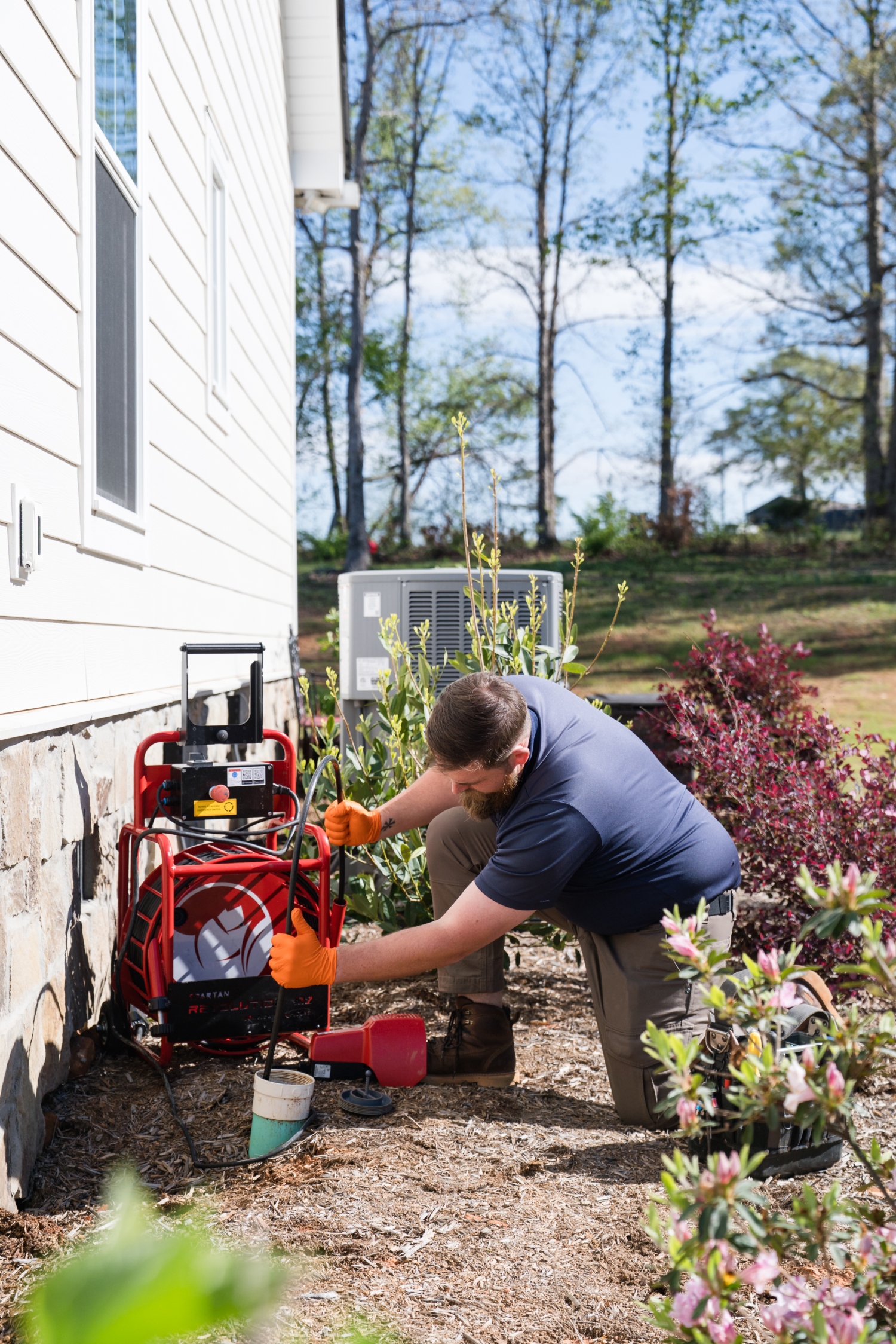

Your home’s sewer line carries all wastewater away from your property and into the main sewer system. When something goes wrong with this important pipe, it can cause messy backups, bad smells, and expensive damage to your home. Knowing the warning signs of sewer line damage helps you catch problems early before they turn into costly repairs.
Many homeowners don’t think about their sewer line until something goes wrong. The pipe is buried underground and out of sight, which makes it easy to ignore. But small issues like slow drains or strange odors can point to bigger problems developing in your sewer line.
In this article, you will find everything you need to identify sewer line damage early and respond the right way. Here’s what you need to know:
- Signs your sewer line needs repair
- Why sewer line problems get worse over time
- Common signs your sewer line needs repair
- Signs of sewer line problems outside your home
- What causes sewer line damage
- What to do if you think your sewer line is damaged
Keep reading to learn how to spot sewer line trouble early and protect your home from serious damage before it starts.
Signs your sewer line needs repair
Multiple drains backing up at the same time is a major red flag for sewer line problems. When toilets, sinks, and showers all clog together, the issue likely sits in your main sewer line rather than individual pipes.
Foul sewage odors inside or outside your home point to cracks or breaks in your sewer line. A properly sealed system should never let these smells escape into your living space or yard.
Slow drainage throughout your home suggests a blockage in your main line. You might notice water backing up in your shower when you flush the toilet or gurgling sounds coming from your drains.
Watch for these warning signs in your yard:
- Patches of extra green or lush grass
- Soggy spots or standing water
- Sewage pooling on the surface
- Sinkholes or indentations in your lawn
Foundation cracks and settling can happen when a leaking sewer line erodes soil beneath your home. This structural damage requires immediate attention to prevent costly repairs.
Pest problems like rats and insects increase when your sewer line has openings. These creatures use damaged pipes as entry points to your property.
Older pipes may show signs they need replacement rather than simple repair. Clay or cast iron lines installed before 1980 often deteriorate and require full replacement.
Frequent backups that return even after professional cleaning indicate serious sewer line damage. These recurring issues mean your line has structural problems that cleaning cannot fix.
Why sewer line problems get worse over time
Sewer line damage spreads because waste and water flow through your pipes every day. What starts as a small crack or minor blockage grows into major damage that affects your entire plumbing system and home.
How your main sewer line works
Your main sewer line carries all wastewater from your home to the city sewer system or septic tank. Every time you flush a toilet, run a sink, or use your washing machine, that water travels through smaller drain pipes that connect to one large main line buried underground.
This pipe sits 3 to 6 feet below your yard and typically measures 4 to 6 inches wide. The system relies on gravity to move waste downward and away from your house. When everything works correctly, you never think about what happens after water goes down your drains.
Your main line handles a constant flow of waste, soap, grease, and debris. The pipe must stay completely intact and clear for your plumbing to function properly.
Why small sewer issues turn into major repairs
A small crack in your sewer line lets tree roots push inside searching for water. These roots grow thicker over time and create larger openings in the pipe. Water leaks out through these gaps and washes away soil around the pipe.
The surrounding ground becomes unstable and causes the pipe to sag or collapse. What began as a hairline fracture can break apart an entire section of your sewer line within months.
Partial clogs work the same way. A buildup of grease or debris slows drainage but doesn’t stop it completely at first. More waste sticks to the existing blockage until water backs up into your home. The pressure from blocked pipes can crack joints and fittings throughout your plumbing system.
The damage sewer backups can cause inside a home
Raw sewage contains harmful bacteria that spread disease and create health hazards. When sewage backs up into your home, it contaminates floors, walls, carpets, and furniture. You need professional cleanup and sanitization to make these areas safe again.
Water damage ruins drywall and wood framing behind walls. Moisture soaks into materials you cannot see and causes mold growth within 24 to 48 hours.
Sewage backups often start in your basement because it sits at the lowest point of your house. Finished basements with living spaces suffer extensive damage that costs thousands to repair. The smell penetrates porous materials and remains even after cleaning.
Your home’s foundation can develop cracks when water pools around it from a broken sewer line. This structural damage threatens your property value and safety.
Common signs your sewer line needs repair
Sewer line problems show up through several clear warning signs in your home. You’ll notice issues with drainage, unpleasant smells, strange sounds, and waste backing up into fixtures.
Multiple drains in the home are draining slowly
When several drains throughout your home start draining slowly at the same time, you’re likely dealing with a main sewer line clog. A single slow drain usually means a local blockage in that fixture’s pipe. Multiple slow drains point to a bigger problem in your main line.
This happens because all your home’s drains connect to one main sewer line. When that line gets blocked, water from every fixture struggles to flow through the same restricted passage.
You might notice slow draining in your kitchen sink, bathroom sink, and shower all happening within the same timeframe. The problem often gets worse over time as the blockage grows larger. Tree roots, grease buildup, and deteriorating pipes commonly cause these widespread drainage issues.
Sewage backing up into sinks, tubs, or toilets
Sewage backup represents one of the most serious main sewer line clogged symptoms you can experience. When wastewater can’t flow through your main line, it has nowhere to go but back up through your home’s lowest drains.
You’ll often see this backup in basement floor drains, toilets on the first floor, or shower drains. The backup might happen when you flush a toilet or run water elsewhere in the house. Sometimes raw sewage comes up through these fixtures, creating an immediate health hazard.
This issue requires urgent attention because sewage contains harmful bacteria and pathogens. The backup can damage your floors, walls, and belongings. If you see sewage coming back into your home, you need professional help right away to prevent further contamination and property damage.
Strong sewer odors coming from drains
A persistent sewer smell in your house signals a potential crack or break in your sewer line. You should never smell sewer gas inside your home under normal conditions. These odors smell like rotten eggs or sewage and indicate that gases are escaping from your sewer system.
The smell might come from your drains, but you could also notice it in your yard above where the sewer line runs underground. Cracks in the pipe allow sewer gases to escape before reaching the main sewer system. Dried-out P-traps can cause temporary odors, but ongoing smells usually mean pipe damage.
Strong odors combined with other symptoms like slow drains make a sewer line problem even more likely. These gases aren’t just unpleasant — they can also pose health risks to your family.
Gurgling sounds when flushing or draining water
Gurgling noises from your drains or toilet indicate trapped air in your sewer line. When water flows through a partially blocked pipe, it creates air pockets that produce these distinctive sounds. You’ll hear bubbling or gurgling when you flush the toilet, run the sink, or drain the bathtub.
The sound happens because the blockage prevents proper air flow through your plumbing system. As water tries to pass the obstruction, air gets pushed back up through your fixtures. You might hear the gurgling in one fixture when using another, which shows the blockage affects your main line rather than individual drains.
These sounds often appear before you notice other sewer backup warning signs. Paying attention to gurgling noises can help you catch sewer line problems early, before sewage backs up into your home.
Signs of sewer line problems outside your home
Sewer line damage often shows up in your yard before you notice problems inside your house. Leaking wastewater creates visible changes in soil, grass, and pest activity that point to underground pipe issues.
Wet or soggy spots appearing in the yard
Unexplained wet patches in your yard can signal a broken sewer line underneath. These areas stay damp even during dry weather or when you haven’t watered your lawn. The moisture comes from wastewater leaking out of cracked or damaged pipes below the surface.
You’ll often find these soggy spots directly above where your sewer line runs. The ground may feel soft or spongy when you walk on it. Standing water might collect in these areas after it rains, taking longer to dry than the rest of your yard.
The wet patches may also have a foul smell, especially on warm days. This odor comes from raw sewage mixing with the soil. If you notice persistent dampness in specific areas of your yard combined with an unpleasant smell, your sewer line likely needs inspection.
Unusually green or fast-growing grass patches
Sewage acts as a fertilizer when it leaks into your yard. You might notice bright green patches of grass that grow much faster than surrounding areas. These spots stand out because the grass looks healthier and thicker than the rest of your lawn.
The nutrients in raw sewage feed the grass and make it flourish. This creates an obvious contrast with nearby grass that receives normal amounts of water and nutrients. These patches often appear in irregular shapes that follow the path of your underground sewer line.
Pay attention if these green areas show up suddenly or grow more vibrant over time. This pattern suggests an active leak that’s getting worse. The grass may also feel different when you walk on it because the soil underneath stays saturated with liquid waste.
Sunken areas or shifting soil near your home
Sewer line leaks wash away soil over time and create voids underground. Your yard may develop sunken spots, depressions, or areas where the ground appears to be settling. These changes happen because the escaping wastewater erodes the soil that surrounds the damaged pipe.
Sinkholes can form when enough soil gets displaced by a serious leak. You might notice cracks in your driveway, sidewalk, or foundation if the shifting soil affects structures near your home. According to the U.S. Geological Survey, soil erosion from underground water movement is a leading cause of surface subsidence and sinkhole formation in residential areas, making early detection of sewer leaks critical to protecting your property.
Foundation problems can develop if a leaking sewer line sits close to your house. Watch for new gaps around your foundation or doors and windows that suddenly stick or don’t close properly.
Pest and insect activity increasing around the yard
Rats and insects are drawn to leaking sewer lines because they provide water, food, and shelter. You may see more rodents in your yard or notice new burrows and tunnels near wet spots. Rats can enter damaged sewer pipes and use them as pathways to move around your property.
Insects like flies and cockroaches gather around sewer leaks. These pests breed in the moist, nutrient-rich environment that sewage creates. You might spot unusual numbers of flies hovering over certain areas of your lawn or see cockroaches outside more often than normal.
Mosquitoes breed in standing water from sewer leaks. If you notice mosquito populations increasing in your yard, check for unexplained wet areas that could indicate pipe damage below.
What causes sewer line damage
Sewer lines fail for specific reasons that range from natural growth patterns underground to how homes settle over time. Understanding these causes helps you recognize problems before they become major repairs.
Tree roots growing into underground pipes
Tree roots cause some of the most common and destructive sewer line problems. Roots naturally grow toward water sources, and your sewer pipes provide consistent moisture that attracts them.
Small root tendrils enter pipes through tiny cracks or loose joints. Once inside, these roots grow larger and create blockages that trap waste and toilet paper. Over time, the expanding roots can crack pipes or cause them to collapse completely.
Trees planted within 10 feet of your sewer line pose the highest risk. Willow trees, maple trees, and poplar trees have particularly aggressive root systems that seek out water. Even shrubs can damage pipes if planted too close to sewer lines.
The damage happens slowly. You might notice slow drains or gurgling sounds years before a complete blockage occurs.
Aging, cracked, or collapsed sewer lines
Older sewer pipes break down naturally as materials deteriorate. Clay pipes, commonly installed before 1980, become brittle and crack as they age. Cast iron pipes corrode from the inside out, weakening until they collapse.
Most sewer lines last 50 to 100 years depending on the material. If your home was built before 1980, your pipes are likely approaching or past their expected lifespan. Orangeburg pipes, made from wood pulp, only last about 50 years before they fail.
Cracks start small but expand under pressure from soil and water flow. These cracks allow dirt and debris to enter your pipes, which creates blockages. Eventually, cracked sections can collapse entirely, requiring full replacement rather than simple repairs.
Grease, wipes, and debris causing blockages
What you put down your drains directly affects your sewer line health. Grease solidifies as it cools inside pipes, coating the walls and narrowing the passage for waste. Over months and years, this buildup restricts flow and traps other materials.
Items that cause sewer blockages:
- Cooking oils and fats
- “Flushable” wipes (these don’t break down like toilet paper)
- Paper towels
- Feminine hygiene products
- Cotton swabs
- Dental floss
- Hair clumps
These materials don’t dissolve in water. They accumulate at bends in your pipes or catch on rough spots created by root intrusion or corrosion. Even small amounts add up over time, eventually creating complete blockages that cause backups into your home.
Ground movement and temperature changes
Soil naturally shifts due to weather, settling, and temperature swings. This movement puts pressure on rigid sewer pipes buried underground. Heavy rain saturates soil and makes it heavier, while droughts cause soil to contract and leave gaps around pipes.
Freeze-thaw cycles damage pipes in cold climates. Water in and around pipes expands when frozen, creating stress on joints and weak points. Repeated freezing over multiple winters can crack even newer pipes.
Construction work near your property shifts large amounts of soil quickly. Heavy vehicles or excavation equipment can crush pipes or knock them out of alignment. Once misaligned, pipes develop low spots where waste collects and causes recurring clogs.
Soil erosion washes away support beneath pipes, leaving them suspended. Without proper support, pipes sag and develop bellies where water and waste pool instead of flowing freely to the main sewer line.
What to do if you think your sewer line is damaged
Acting quickly when you suspect sewer line damage can prevent costly repairs and protect your home from serious problems. Professional diagnosis through camera inspection helps determine whether you need targeted repairs or full replacement.
When to call a professional plumber
You should contact a licensed plumber immediately if you notice multiple slow drains, sewage backups, or foul odors coming from your drains. These signs often indicate a serious blockage or break in your sewer line that requires professional attention.
Don’t wait to call if you see sewage pooling in your yard or notice your lawn has unusually green or soggy patches. These symptoms mean wastewater is leaking into your property, which creates health hazards and can damage your home’s foundation.
Emergency situations like sewage backing up into your home require immediate professional help. Turn off your water supply at the main valve and avoid using any plumbing fixtures until a plumber arrives.
How sewer camera inspections diagnose problems
A sewer camera inspection uses a waterproof camera attached to a flexible cable that travels through your pipes. The plumber inserts this camera through a cleanout or drain opening to see the inside of your sewer line in real time.
The camera reveals the exact location and nature of problems like cracks, tree root intrusions, collapsed pipes, or severe blockages. This technology eliminates guesswork and prevents unnecessary digging or exploratory work on your property.
Most sewer line inspections take between 45 minutes to two hours depending on your system’s length and complexity. The plumber provides you with video footage and explains what they found, which helps you make informed decisions about repairs.
This diagnostic method typically costs between $200 and $500, but it saves money by pinpointing problems accurately. You avoid paying for repairs in the wrong location or treating symptoms instead of the actual cause.
Repair versus full sewer line replacement
Minor issues like small cracks, isolated blockages, or sections damaged by tree roots can often be repaired without replacing the entire line. Trenchless methods like pipe lining or spot repairs work well for localized damage and cost significantly less than full replacement.
Full replacement becomes necessary when your pipes are made from outdated materials like Orangeburg or clay, or when the line has multiple failure points. Severely corroded pipes or those with repeated problems also need complete replacement to restore reliable function.
Sewer line repair costs vary widely based on the scope of work. Simple repairs range from $1,500 to $4,000, while full line replacement typically costs between $3,000 and $25,000 depending on length, depth, and access difficulty.
Trenchless replacement methods cost more upfront but minimize property damage and restoration expenses. Traditional excavation costs less initially but requires extensive landscaping repairs afterward. According to the U.S. Environmental Protection Agency, trenchless rehabilitation techniques can reduce overall project costs by up to 30% compared to open-cut excavation when accounting for surface restoration expenses.
Steps homeowners can take to prevent future issues
Avoid flushing anything except toilet paper and human waste down your drains. Items like wipes, feminine products, paper towels, and grease cause blockages that stress your sewer line and lead to backups.
Schedule regular drain cleaning every 18 to 24 months to remove buildup before it causes problems. Professional cleaning removes grease, soap scum, and minor root intrusions that gradually restrict flow.
Plant trees and large shrubs at least 10 feet away from your sewer line. Tree roots naturally seek out water sources and can infiltrate even small cracks in pipes, causing extensive damage over time.
Consider having your sewer line inspected every few years if your home is more than 20 years old. Early detection of developing problems allows you to address them before they become emergencies that require expensive repairs.
Conclusion
Your sewer line plays a critical role in your home’s plumbing system. When problems arise, they can quickly turn into expensive repairs and serious property damage.
If you notice any of these signs, you need to act fast. A professional inspection can find the problem before it gets worse. Small issues are much cheaper to fix than major sewer line failures.
Don’t wait until sewage backs up into your home or your yard floods with wastewater. Early detection saves you money and protects your property from damage. According to the U.S. Environmental Protection Agency, aging sewer infrastructure contributes to an estimated 23,000 to 75,000 sanitary sewer overflows each year in the United States, reinforcing why routine inspection and timely repair matter for every homeowner.
Schedule an inspection with a licensed plumber if you suspect sewer line problems. They have cameras and tools to check your pipes and recommend the right fix. Taking care of sewer line issues now keeps your plumbing system working properly for years to come. Contact CB Smith Plumbing to schedule your sewer line inspection today.
