
Choosing a water heater is one of the most impactful decisions a homeowner can make for long-term comfort and energy costs. Traditional tank water heaters store hot water in a large tank, while tankless models heat water only when you need it. Both systems work well, but they fit different homes and needs.
The main difference comes down to how you use hot water — tankless heaters save energy and space but cost more upfront, while traditional tanks are cheaper to install but use more energy over time. Your household size, budget, and how much hot water you use at once all play a role in which system makes sense for you.
In this article, you will find everything you need to compare both options side by side. Here’s what you need to know:
- How they work
- Pros and cons of traditional water heaters
- Pros and cons of tankless water heaters
- Costs and value comparison
Keep reading to understand the full cost, efficiency, and performance differences so you can choose the right system for your home.
How they work
Traditional water heaters store and maintain hot water in a tank, while tankless systems heat water instantly as it flows through the unit. Both accomplish the same goal but use different methods to deliver hot water to your home.
Traditional water heater basics
A traditional water heater uses a storage tank that holds between 30 and 80 gallons of water. The tank contains a heating element (electric models) or a gas burner at the bottom (gas models) that keeps water hot around the clock.
Cold water enters through a pipe at the top of the tank and travels down to the bottom where it gets heated. As the water heats up, it rises to the top of the tank. When you turn on a hot water tap, hot water exits from the top of the tank through the outlet pipe.
The thermostat monitors water temperature constantly. When the temperature drops below your setting, the heating element or burner turns on automatically. This process is called standby heating, and it continues even when you’re not using hot water.
A pressure relief valve prevents dangerous pressure buildup inside the tank. An anode rod inside the tank helps prevent corrosion and extends the life of your unit.
Tankless water heater basics
A tankless water heater activates only when you open a hot water tap. Cold water flows through a pipe into the unit, triggering a flow sensor that detects water movement.
The sensor signals either a gas burner or electric heating elements to fire up immediately. Water passes through a heat exchanger where it reaches your desired temperature in seconds. The heated water then travels directly to your faucet or appliance.
Gas models use a more powerful burner than tank heaters, while electric models use high-powered heating coils. Most tankless units can heat water to your set temperature as long as the flow rate stays within the unit’s capacity.
When you shut off the tap, the flow sensor signals the heating elements to turn off. The unit goes into standby mode and uses minimal energy until you need hot water again.
Key differences between systems
The main difference is when and how each system heats water. Traditional heaters work continuously to maintain a ready supply, while tankless heaters work on demand.
Energy usage patterns:
- Traditional: Heats water 24/7 regardless of usage
- Tankless: Heats water only when needed
Water delivery:
- Traditional: Provides stored hot water immediately but can run out during heavy use
- Tankless: Takes a few seconds to start but provides continuous hot water
Space requirements:
- Traditional: Needs floor space for a 4-5 foot tall tank
- Tankless: Mounts on a wall and measures roughly the size of a suitcase
Traditional systems are simpler with fewer components, making them easier to repair. Tankless systems have more complex controls and sensors but eliminate standby heat loss entirely.
Pros and cons of traditional water heaters
Traditional water heaters store hot water in a tank, which means they always have a reserve ready when you turn on the tap. They cost less to buy and install than tankless models, but they use energy constantly to keep water heated even when you’re not using it.
Lower upfront cost
Traditional water heaters are more affordable to purchase and install than tankless systems. A standard 40-50 gallon tank typically costs between $500 and $1,500 for the unit itself. Installation adds another $300 to $1,000 depending on your location and setup.
The lower initial cost makes traditional heaters a practical choice if you have budget constraints. Your plumber won’t need specialized training or expensive equipment to install one. Most homes already have the necessary connections in place.
Replacement parts are widely available and less expensive. If something breaks, repairs usually cost less than fixing a tankless system.
Handles high water demand
Traditional water heaters excel when multiple people need hot water at the same time. Your stored tank of hot water can supply several fixtures simultaneously without losing pressure or temperature.
A 50-gallon tank can typically handle two showers running at once plus a dishwasher or washing machine. You won’t experience the flow rate limitations that sometimes affect tankless heaters during peak usage times.
The stored water approach works well for larger families. You can run multiple appliances and showers without worrying about overtaxing the system, as long as you stay within your tank’s capacity.
Energy use considerations
Traditional water heaters maintain water temperature 24/7, which means they consume energy even when you’re asleep or away from home. This “standby heat loss” accounts for 10-20% of your water heating costs annually.
Your heater cycles on several times per day to keep the tank at the set temperature. A typical tank uses 4,000-5,500 watts of electricity or 30,000-50,000 BTUs of natural gas daily.
According to the U.S. Department of Energy, water heating accounts for roughly 18% of a typical home’s total energy use, making it one of the single largest energy expenses after space heating and cooling. Modern tanks include better insulation than older models, which reduces heat loss. However, they still can’t match the efficiency of heating water only when needed.
Pros and cons of tankless water heaters
Tankless water heaters offer significant advantages in energy savings and space efficiency, but they require a larger upfront investment than traditional tank models.
Energy efficiency and endless hot water
Tankless water heaters heat water only when you turn on a faucet or appliance. This on-demand approach means you never waste energy keeping a tank of water hot all day and night.
You can save 8-34% on energy costs compared to traditional tank heaters, depending on your household’s water usage. Homes that use less than 41 gallons of hot water daily see the biggest savings. The energy efficiency of these systems comes from eliminating standby heat loss, which is the energy wasted when stored hot water cools down in a tank.
Your hot water supply never runs out with a tankless system. Multiple people can shower back-to-back without anyone experiencing cold water. The unit heats fresh water continuously as it flows through the system.
Common flow rates for tankless heaters:
- Small units: 2-5 gallons per minute
- Mid-size units: 5-7 gallons per minute
- Large units: 8-11 gallons per minute
Longer lifespan and space saving
A tankless water heater typically lasts 20-25 years with proper maintenance. Traditional tank heaters usually need replacement after 10-15 years.
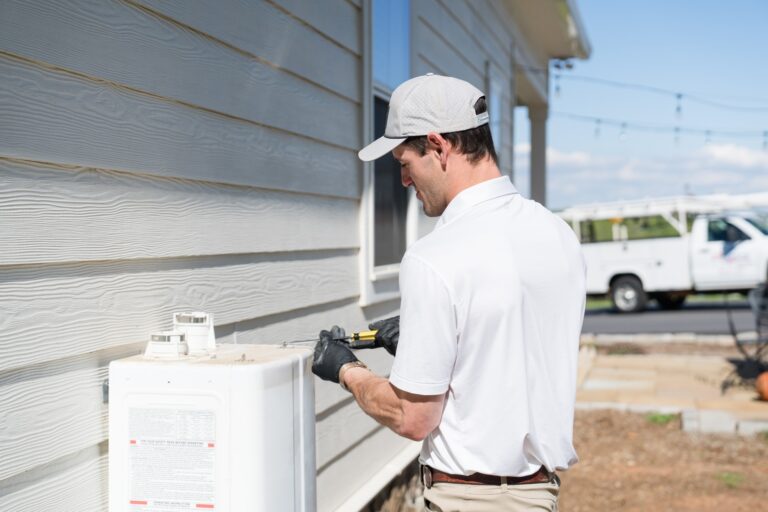
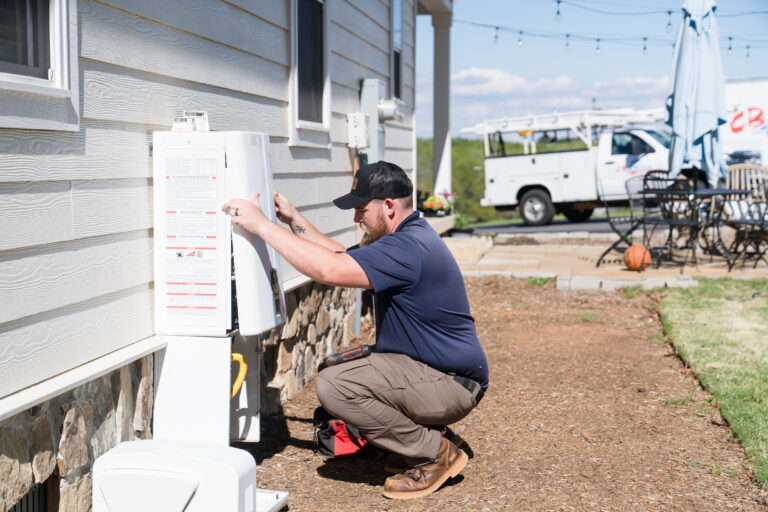
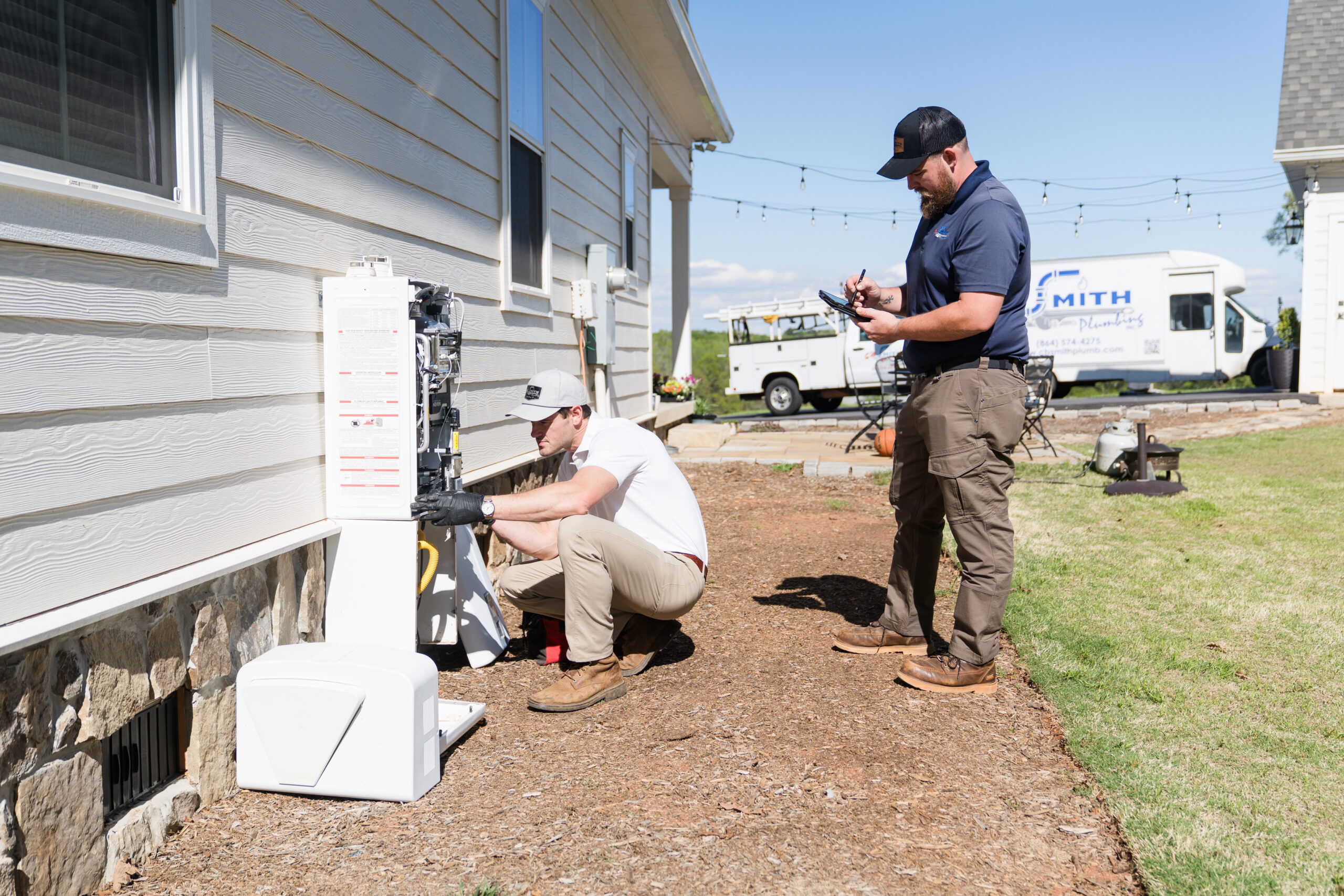
The compact design takes up minimal space in your home. Most tankless units mount on a wall and measure roughly the size of a small suitcase. You can install them in closets, basements, or even outside in some climates.
This space-saving benefit matters if you live in a smaller home or want to free up storage area. A traditional 50-gallon tank requires about 16 square feet of floor space, while a tankless unit needs virtually none.
Regular plumbing maintenance extends the lifespan of your tankless system. You should flush the unit annually to prevent mineral buildup, especially in areas with hard water.
Higher initial cost
Installing a tankless water heater costs between $2,500 and $4,500 in 2025. Traditional tank heaters cost $1,200 to $2,000 installed.
The higher price comes from the unit itself and installation requirements. Your home may need electrical upgrades, new gas line services, or updated venting systems. These modifications add to the total cost but ensure safe and efficient operation.
You’ll recover the extra expense through lower energy bills over time. Most homeowners break even after 6-12 years, depending on usage patterns and local utility rates.
Initial cost breakdown:
- Electric tankless units: $500-$1,500 (equipment only)
- Gas tankless units: $1,000-$2,500 (equipment only)
- Installation labor: $1,000-$3,000
- Additional upgrades: $500-$1,500 (if needed)
Costs and value comparison
Tankless water heaters cost significantly more upfront than traditional tanks, but they offer energy savings that can offset the initial investment over time. Understanding the full financial picture requires looking at installation, ongoing utility bills, and long-term maintenance expenses.
Installation and purchase cost
A traditional tank water heater costs between $1,200 and $2,000 installed. This includes the unit itself and standard installation labor. Tankless systems cost much more, ranging from $2,500 to $4,500 for most installations.
The price gap comes from the equipment and installation complexity. Tankless units require more expensive components and often need upgrades to your home’s gas lines or electrical systems. If you’re replacing an old tank with a tankless model, you may need new venting, upgraded gas pipes, or electrical panel modifications.
Gas tankless models typically cost $3,000 to $6,500 installed, while a 50-gallon gas tank runs $1,700 to $3,200. Electric tankless units are usually cheaper than gas versions but still cost more than traditional electric tanks.
Utility savings
Tankless water heaters save 24% to 34% on energy costs compared to traditional tanks. Your actual savings depend on how much hot water you use and your local utility rates.
Traditional tanks constantly heat and reheat water to maintain temperature, even when you’re not using it. Tankless models only heat water when you turn on a faucet or appliance. This on-demand heating eliminates standby energy loss.
For most homes, the energy savings translate to $50 to $150 per year on utility bills. Based on these savings, it takes 12 to 27 years to recover your higher upfront investment through reduced energy costs.
Maintenance and replacement
Traditional tank water heaters need basic annual maintenance like flushing sediment and checking the anode rod. These units typically last 8 to 12 years before requiring replacement. Maintenance costs stay low, usually under $100 per year for routine service.
Tankless systems also need annual maintenance, including descaling to prevent mineral buildup. This service often costs more than tank maintenance. However, tankless units last 15 to 20 years, nearly double the lifespan of traditional tanks.
When you factor in replacement cycles, you might need to replace a traditional tank twice during the lifespan of one tankless unit. According to the U.S. Department of Energy, demand-type water heaters can be 24-34% more energy efficient than conventional storage tank heaters for homes with moderate hot water use.
Choosing the right water heater
Your household’s hot water needs, available space, and plumbing setup will determine whether a tankless or traditional water heater works best for your home. Budget, usage patterns, and installation requirements all play important roles in this decision.
Household size and hot water needs
A traditional tank water heater works well for families who use multiple showers, dishwashers, and washing machines at the same time. These units store 30 to 80 gallons of hot water, making them reliable for high simultaneous demand.
Tankless systems heat water on demand and work best for smaller households or homes with staggered water usage. If you have four or more people regularly using hot water at once, you may need multiple tankless units or a larger traditional tank.
Consider your daily routines. Do mornings involve several showers, laundry, and dishwashing happening together? A 50-gallon traditional tank might be your best option.
If your family spaces out water use throughout the day, a tankless system provides endless hot water without the standby energy loss of keeping a tank heated 24/7.
Space and installation constraints
Traditional water heaters need significant floor space. A standard 50-gallon unit stands about 5 feet tall and requires clearance around it for maintenance and safety.
Tankless units mount on walls and take up minimal space. They’re roughly the size of a suitcase, making them ideal for small utility rooms, closets, or tight basements.
Your existing plumbing and gas line services matter too. Tankless systems often require upgraded gas lines or dedicated electrical circuits, which adds to installation costs. Traditional tanks usually work with your current setup.
When to call a professional
Schedule a consultation with a licensed plumber before making your final decision. They’ll assess your home’s gas line capacity, electrical system, and water pressure to determine what your property can support.
A professional can calculate your exact hot water demands based on fixtures, appliances, and usage patterns. This prevents buying an undersized tankless unit or an unnecessarily large tank.
You’ll also need expert installation for either system. Improper installation voids warranties and creates safety hazards like gas leaks or water damage.
Conclusion
Both tankless and traditional water heaters deliver hot water, but they serve different needs. Your choice depends on your household size, budget, and energy goals.
Traditional tank water heaters work well if you need hot water for multiple uses at once. They cost less upfront and are easier to install. You can expect them to last 10-15 years with regular maintenance.
Tankless water heaters heat water only when you need it. They save energy over time and take up less space. These units last 20+ years but cost more to buy and install.
Neither option is better in every situation. A traditional water heater might fit your needs if you want lower upfront costs and simple installation. A tankless system might be right if you value energy efficiency and have room in your budget for the higher initial investment.
Consider your hot water usage patterns, available space, and long-term plans. Contact CB Smith Plumbing to schedule a consultation with a licensed plumber who can assess your home’s specific requirements and help you make the right decision.