
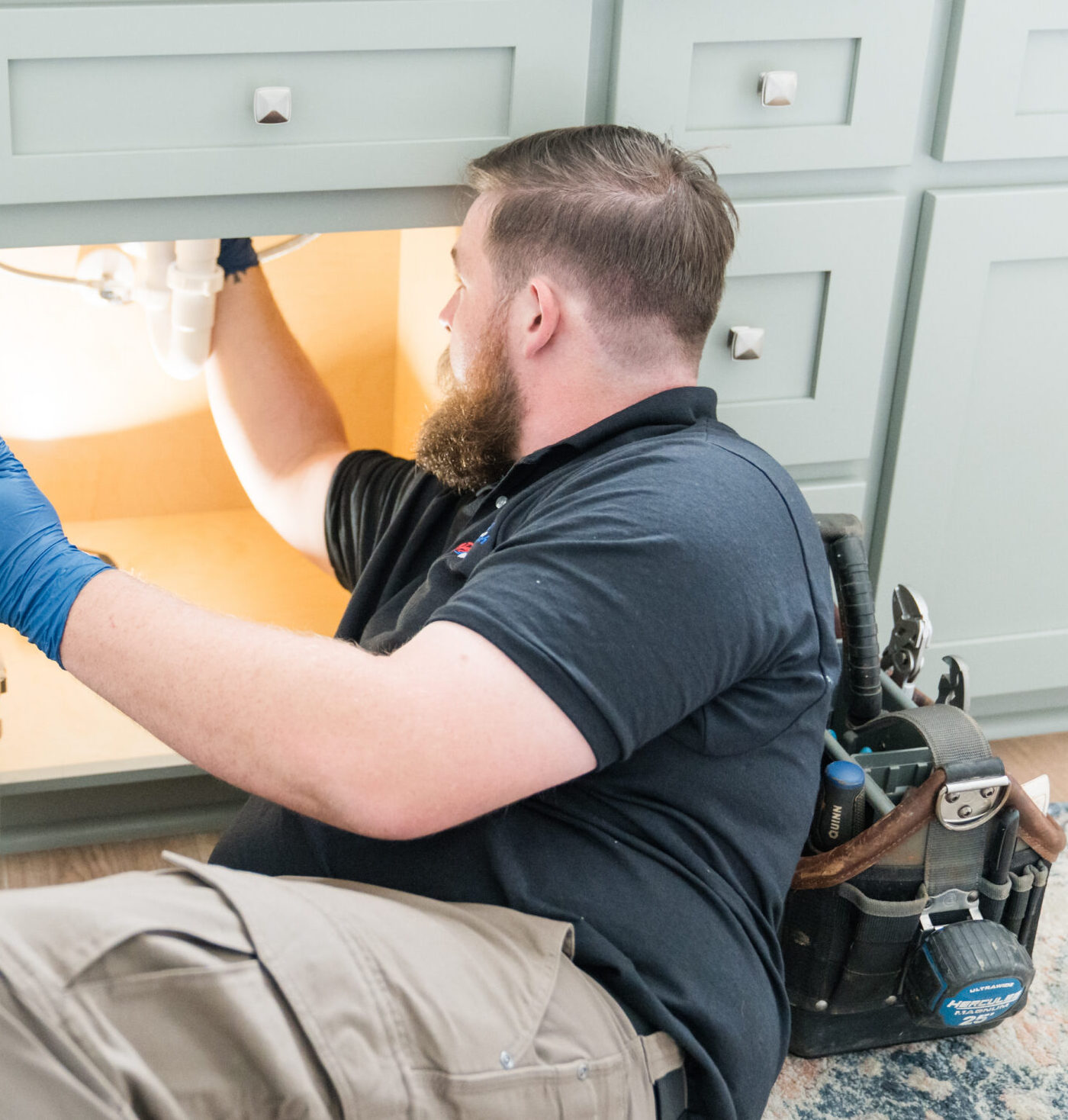

Every fixture in your home depends on drain lines to carry wastewater away quietly and reliably. When those drain lines are properly installed, sized correctly, and routed with the right slope, you never think about them. When they are not, the symptoms show up in slow sinks, gurgling toilets, recurring backups, and the kind of water damage that is expensive to repair and unpleasant to live with.
Drain installation benefits in Simpsonville go beyond fixing an immediate problem. A properly installed drain system protects the home’s structure, improves daily function, and prevents the chain of failures that starts when wastewater cannot leave the house efficiently.
Simpsonville is one of the fastest-growing cities in Greenville County, with new subdivisions expanding across the Five Forks area and along the I-385 corridor while established neighborhoods closer to downtown continue to age and update. T
hat growth means Simpsonville homes span a wide range of plumbing conditions, from brand-new construction with modern PVC systems to older properties where original cast iron or clay drain lines have been in service for decades.
According to the U.S. Environmental Protection Agency, the average family spends more than $1,000 per year on water costs, and a significant portion of residential plumbing problems trace back to drain systems that were improperly installed, undersized for current demand, or deteriorated beyond repair. Whether you are building new, remodeling, or replacing a failed drain line, understanding the benefits of proper drain installation helps you make decisions that pay off for years.
This article explains where drain installation makes the biggest difference for Simpsonville homeowners, covers the specific benefits each type of installation delivers, and walks through what a well-designed drain system looks like in practice.
In this article, you will learn about:
- Why drain installation quality matters more than most homeowners realize
- The benefits of new drain lines in kitchens, bathrooms, and utility areas
- How proper drain installation prevents the most common plumbing failures
- What Simpsonville’s growth and soil conditions mean for your drain system
- How to work with a plumber to get the right drain installation for your home
Keep reading to understand how the right drain work protects your home from the problems that start underground and end up on your floors.
Why drain installation quality matters more than most homeowners realize
Drains operate on gravity. Unlike supply lines, which use pressure to push water through the system, drain lines rely entirely on slope to move wastewater from the fixture to the main sewer connection. That slope has to be precise. A quarter inch of fall per foot of horizontal run is the standard for residential drain lines, and even small deviations from that standard produce measurable effects on drainage performance.
A drain line that is too flat allows water to move sluggishly, and the reduced flow velocity means solids, grease, soap residue, and debris settle inside the pipe rather than being carried to the sewer. Over time, this settlement builds into the kind of accumulation that produces slow drains and recurring clogs. A drain line that is too steep has the opposite problem: water rushes through faster than the solids it is supposed to carry, leaving waste material behind in the pipe to accumulate until it blocks the flow entirely.
Beyond slope, drain installation involves proper sizing, correct venting, appropriate materials for the application, and secure connections at every joint. Each of these elements affects how well the system performs and how long it lasts, and getting them right during installation is far less expensive than correcting them after the house is finished and occupied.
What bad drain installation looks like over time
A drain system that was installed with shortcuts, whether in a new build or during a previous renovation, does not fail immediately. It fails gradually, producing symptoms that homeowners often attribute to normal wear rather than recognizing as installation defects.
Common signs of poor drain installation include:
- Drains that have always been slow since the home was built or the renovation was completed
- Gurgling sounds from fixtures when other drains in the house are in use, which indicates venting problems
- Recurring clogs in the same drain despite repeated cleaning, which can point to a bellied or improperly sloped line
- Sewage odor inside the home, often caused by missing or incorrectly connected vent lines that allow sewer gas to bypass the P-traps
- Water backing up into lower fixtures when upper fixtures are used, which signals a capacity or routing problem in the shared drain line
These symptoms do not resolve with drain cleaning because the underlying issue is structural, not a buildup problem. The fix is correcting the installation, which may mean resloping a section, adding a missing vent, resizing an undersized line, or replacing a section that was routed incorrectly.
The benefits of new drain lines in kitchens, bathrooms, and utility areas
Drain installation is not a single type of work. It covers everything from adding a drain connection for a new fixture to replacing the entire drain system in a home. The benefits depend on the scope of the work and the condition of the existing system, but several advantages are consistent across nearly every drain installation project.
Eliminating chronic drainage problems at the source
If a drain has never worked well, no amount of maintenance will make it work well. The problem is in the installation, not in the pipe’s age or the homeowner’s habits. A new drain line installed with correct slope, proper sizing, and adequate venting eliminates the chronic slow drainage, recurring clogs, and gurgling that the homeowner has been living with, sometimes for years.
This is one of the most immediately noticeable benefits of drain installation. A kitchen sink that used to pool water for 30 seconds after pulling the stopper drains instantly. A shower that used to back up during every use clears water as fast as it flows in. A toilet that gurgled every time the washing machine ran flushes quietly because the vent is now connected where it should have been from the start.
Protecting the home from water damage
A drain line that leaks at a joint, sags at a low point, or backs up during heavy use puts water where it does not belong. In a basement or crawl space, that water saturates framing, insulation, and subfloor material. Behind a wall, it promotes biological growth and deteriorates structural components. Under a slab, it erodes soil and can compromise the foundation.
According to FEMA, just one inch of water inside a home can cause up to $25,000 in damage. A properly installed drain line eliminates the leak points, sags, and capacity limitations that allow wastewater to escape the system and contact the home’s structure. The cost of proper drain installation is a fraction of the cost of repairing the water damage that a failed drain produces over time.
Supporting a remodel or addition
Any renovation that changes the layout of a kitchen, bathroom, or laundry room requires drain work. Moving a sink to a new location, adding a bathroom where one did not exist before, converting a half bath to a full bath with a shower, or adding a utility sink in a garage or basement all require new drain connections with proper slope, sizing, and venting.
During a remodel, the walls and floors are already open, which makes drain installation significantly less expensive and disruptive than it would be as a standalone project. Planning the drain work as part of the renovation ensures the new layout performs correctly from day one and avoids the frustration of discovering after the remodel that the new shower drains slowly or the relocated kitchen sink backs up during heavy use.
Upgrading old materials to modern standards
Older Simpsonville homes, particularly those built before the 1980s, may still have cast iron, clay tile, or early-generation PVC drain lines. These materials served their era, but they have known limitations:
- Cast iron corrodes from the inside over decades, developing rough interior surfaces that catch debris and restrict flow. Joint connections deteriorate in the Upstate’s humid climate, and the weight of the pipe can stress hangers and supports over time.
- Clay tile pipes, installed in short segments with mortar joints, are highly vulnerable to root intrusion and joint separation as the Piedmont clay soil expands and contracts with moisture changes.
- Early PVC formulations and ABS pipe from the 1970s and 1980s can become brittle, and connections made without proper primer and cement are prone to separation.
Replacing these materials with modern PVC during a drain installation project provides a system with smoother interior surfaces for better flow, chemical resistance to the cleaning products and waste chemicals that pass through residential drains, and joint connections that are solvent-welded for a permanent, root-resistant seal.
How proper drain installation prevents the most common plumbing failures
The most frequent drain-related plumbing calls, slow drains, recurring clogs, backups, and sewer odor, are overwhelmingly caused by installation problems rather than fixture failure or homeowner error. Proper drain installation addresses each of these failure modes at the source.
Correct slope prevents sediment accumulation
When a drain line maintains a consistent quarter-inch-per-foot slope from the fixture to the main connection, wastewater moves at a velocity that keeps solids suspended and carries them through the system. This self-cleaning velocity is the foundation of a well-functioning drain, and it only exists when the slope is right.
A new drain installation establishes this slope precisely, using leveling measurements during the rough-in phase and securing the pipe with hangers that maintain the grade over time. In Simpsonville’s Piedmont clay soil, where ground settling can shift buried pipes over years, proper bedding and backfill during the installation protect the slope from the soil movement that causes bellied lines in older systems.
Proper venting eliminates gurgling and trap siphoning
Every drain fixture needs a vent connection that allows air into the system as water flows out. Without adequate venting, the water moving through the drain creates negative pressure behind it, which produces the gurgling sound homeowners hear and can siphon the water out of P-traps at nearby fixtures. A siphoned trap allows sewer gas to enter the home, which is both unpleasant and a health concern.
According to the EPA, raw sewage carries bacteria, viruses, parasitic organisms, and fungi that can cause illnesses ranging from mild gastrointestinal distress to serious conditions. Proper vent installation during drain work ensures that every fixture maintains its trap seal and that sewer gas stays in the sewer where it belongs.
Correct sizing handles peak demand without backing up
A drain line that is sized for a single fixture may be inadequate if the line also serves additional fixtures that were added during a renovation or that were not part of the original design. Undersized drains work fine under light use but back up when multiple fixtures operate simultaneously, such as when the dishwasher runs while someone is using the kitchen sink, or when the washing machine drains while someone is showering.
During a drain installation, the plumber sizes each line based on the total fixture units it will serve, which accounts for the combined peak flow from every fixture connected to that branch. This sizing ensures the system handles real-world demand, not just single-fixture use, and prevents the cross-fixture backups that indicate a capacity problem.
What Simpsonville’s growth and soil conditions mean for your drain system
Simpsonville’s position in the Upstate creates specific conditions that affect drain system performance and longevity. Understanding these conditions helps homeowners make informed decisions about drain installation and maintenance.
Piedmont clay and drain line settlement
The Piedmont clay soil underlying Greenville County expands and contracts with seasonal moisture changes, and this movement affects buried drain lines. New installations in clay soil require proper bedding material beneath the pipe and controlled backfill above it to distribute the load evenly and prevent the pipe from settling unevenly as the soil consolidates.
In established Simpsonville neighborhoods, decades of this soil movement can shift original drain lines enough to create belly sections where water pools, joints that separate enough to admit root intrusion, and grade changes that reduce flow velocity. Replacing these deteriorated sections with properly bedded new pipe restores the drainage performance that the original installation provided when it was new.
Rapid growth and infrastructure demand
Simpsonville’s rapid residential growth means the municipal sewer system is handling increased volume. While the city’s infrastructure expands to match, individual homes still rely on their own drain systems to move wastewater from fixtures to the sewer connection efficiently. A home with undersized, deteriorated, or improperly sloped drain lines puts additional strain on the connection and is more likely to experience backups during periods of heavy use or heavy rain when the municipal system is under load.
A drain system that is properly installed to current code standards handles peak demand smoothly and connects to the municipal system without the restrictions that cause backups to originate at the home’s end of the lateral.
Hard water effects on drain interiors
The Upstate’s moderate mineral content, typical of the Piedmont geology, contributes to scale formation inside drain lines over time. While the effect on drains is less dramatic than on supply lines and water heaters, mineral deposits combine with soap residue and grease to create a coating on drain line interiors that narrows the effective diameter and catches debris.
Modern PVC drain pipe has a smoother interior surface than cast iron or clay, which reduces the rate of buildup accumulation. Homes with older drain materials benefit from replacement with PVC not only for the structural upgrade but for the improved flow characteristics that a smooth-walled pipe provides over its entire service life.
How to work with a plumber to get the right drain installation for your home
Drain installation is not a one-size-fits-all project. The scope, materials, and approach depend on what the home needs, what the existing system looks like, and what the homeowner is trying to accomplish. Working with a licensed plumber who understands the local conditions and code requirements ensures the installation is designed and executed correctly.
Start with an assessment of the existing system
Before any drain work begins, a professional assessment of the current system identifies what is working, what is failing, and what needs to change. This typically includes:
- A camera inspection of the existing drain lines to identify slope problems, joint deterioration, root intrusion, and bellied sections
- A review of the fixture count and layout to determine whether the current drain sizing is adequate
- An evaluation of the venting system to confirm that every fixture has a proper vent connection
- An assessment of the sewer lateral connecting the home to the municipal system
This assessment provides the information needed to scope the installation correctly and prioritize the work that delivers the greatest improvement for the investment.
Plan the installation to minimize disruption
Drain work that involves trenching through a concrete slab or excavating a yard is more disruptive than work done inside accessible wall cavities or crawl spaces. A skilled plumber plans the routing to minimize the amount of concrete cutting, excavation, and surface restoration required, which reduces both the cost and the time the project takes.
For homes with crawl spaces, much of the drain system is accessible from below without opening walls or floors. For slab-on-grade homes common in some Simpsonville subdivisions, routing options may include running new drain lines overhead in the ceiling space of the floor below or using trenchless methods for the sewer lateral to reduce yard disruption.
Ensure the work meets code and passes inspection
Drain installation that involves adding, relocating, or modifying drain lines typically requires a permit and an inspection by the local building authority. The permit process ensures the work meets the plumbing code, which protects you as the homeowner by requiring that the installation meets minimum standards for slope, sizing, venting, and materials.
Your plumber should handle the permit application and coordinate the inspection timing. Unpermitted drain work creates a liability that can surface during a future sale, an insurance claim, or a subsequent repair when a later plumber discovers non-compliant work.
Schedule the follow-up
After the installation is complete, schedule a follow-up plumbing inspection within the first year to confirm that the new drain lines are performing as designed. This visit verifies that the slope has held, that no settlement has affected the newly installed pipe, and that all connections are tight and leak-free. In Simpsonville’s clay soil environment, early verification catches any soil-related movement before it becomes a problem.
The Upstate’s water chemistry begins affecting new drain lines from the first day of use, so establishing a baseline during the follow-up gives you and your plumber a reference point for future maintenance decisions.
Conclusion
A properly installed drain system is one of those home improvements that works silently in the background for decades. You do not admire it the way you admire a new countertop or a renovated bathroom, but you notice immediately when it is not doing its job. The homes in Simpsonville that avoid the most disruptive and expensive plumbing emergencies are the ones where the drain system was installed correctly, sized for actual demand, and maintained over time.
If you are experiencing chronic slow drains, recurring backups, or sewer odor that cleaning does not resolve, the problem may be in the installation, not in the fixtures or your habits. If you are planning a renovation that changes your kitchen or bathroom layout, the drain work is the foundation that everything else sits on.
And if your Simpsonville home has original drain lines from a previous era, replacing them with modern materials during any project that opens the walls or floors is one of the smartest investments you can make.
Contact CB Smith Plumbing to schedule a drain system assessment or to discuss drain installation as part of your next project. Serving Spartanburg, Greenville, and Cherokee Counties since 1982, CB Smith brings over 100 years of combined plumbing experience and handles everything from a single fixture connection to a full residential drain installation.
Call (864) 574-4275 or reach out online to get the conversation started before the next slow drain becomes a backup.


