
A water heater does not quit on a convenient schedule. It fails on a weekday morning when everyone needs a shower, or it ruptures overnight and sends 40 to 50 gallons of water across the utility room floor while you sleep.
The difference between a managed replacement and an emergency is almost always whether someone noticed the warning signs. Water heater warning signs in Greer tend to show up weeks or months before the unit actually fails, and homeowners who recognize those signals have time to plan, budget, and act on their own terms.
Greer sits between Greenville and Spartanburg Counties, and the homes here range from established neighborhoods built decades ago to rapidly expanding subdivisions where new construction meets growing demand. Regardless of age, every home with a tank-style water heater shares the same set of vulnerabilities.
The Upstate’s Piedmont water supply carries dissolved minerals that deposit inside the tank with every heating cycle, and those deposits are the starting point for most of the problems covered in this article.
According to the U.S. Department of Energy, water heating accounts for roughly 13 percent of a household’s annual energy use and utility costs, which means a water heater that is losing efficiency is costing you money long before it stops producing hot water entirely.
This article walks through each warning sign in the order most homeowners encounter them, explains what is happening inside the unit to produce each symptom, and helps you decide whether repair, maintenance, or replacement is the right response.
In this article, you will learn about:
- The sounds, smells, and changes in performance that signal a failing water heater
- What sediment and corrosion are doing inside your tank right now
- The one component that determines whether your tank lasts 8 years or 15
- How to tell the difference between a repairable problem and a unit that needs replacement
- What a professional water heater inspection covers and why it matters in Greer
Keep reading to learn how to catch each warning sign before it turns into a flood, a cold shower, or an emergency replacement bill.
The sounds your water heater makes when something is wrong
A healthy water heater is nearly silent. You might hear the burner ignite on a gas unit or feel a faint hum from the elements on an electric one, but the operation should be unremarkable. When the unit starts making noises you can hear from another room, something has changed inside the tank, and the noise is telling you what.
Popping, rumbling, and crackling
These sounds are the most common early warning sign and the one homeowners dismiss most often. They are caused by sediment buildup at the bottom of the tank.
Every time the burner fires or the heating element activates, it heats the layer of mineral sediment that has settled at the bottom of the tank. Water trapped beneath and within that sediment layer turns to steam, and the small steam explosions produce the popping and crackling sounds you hear. The rumbling that sometimes accompanies it is the sediment shifting as steam moves through it.
In Greer, where the local water supply carries moderate mineral hardness from the Upstate’s Piedmont geology, sediment accumulation is an expected part of tank-style water heater ownership. The rate depends on your water’s specific mineral content, your household’s hot water usage, and whether the tank has ever been flushed. A tank that has never been drained and flushed can develop a significant sediment layer within three to five years.
The sediment itself does two things that cost you money. First, it insulates the water from the heat source, forcing the unit to run longer cycles to reach the set temperature. That extra runtime drives up your energy bill. Second, the heat trapped in the sediment layer overheats the tank floor, accelerating corrosion of the steel and the protective glass lining from the inside. Both problems get worse the longer the sediment sits.
If your water heater has started making these sounds, an annual flush may still resolve the issue if the sediment has not hardened into a solid layer. If the unit has gone five or more years without a flush, a professional assessment is worth scheduling to determine whether the tank is still in serviceable condition underneath the buildup.
Banging or knocking
A sharp banging sound when the water heater cycles on or off, or when hot water fixtures are opened and closed elsewhere in the house, is usually water hammer rather than a sediment issue. Water hammer occurs when fast-closing valves create a pressure spike in the supply lines, and the shock wave reverberates through the piping and into the tank.
While water hammer is technically a supply-system issue rather than a water heater failure, repeated pressure spikes stress the fittings, connections, and the tank itself. If your home does not have expansion tanks or water hammer arrestors on the supply lines, the cumulative stress can shorten the water heater’s lifespan and loosen connections that eventually develop leaks.
Changes in hot water quality that signal internal problems
The water coming out of your hot-water taps tells you a lot about what is happening inside the tank. Changes in color, smell, or temperature consistency are not cosmetic issues. They are diagnostic indicators of specific internal conditions.
Rusty or discolored hot water
If the hot water from your taps has a reddish, brown, or orange tint, but the cold water runs clear, the discoloration is coming from inside the water heater. This means the protective lining inside the tank is failing and the steel beneath it is corroding.
Tank-style water heaters have a glass or enamel lining that separates the heated water from the steel shell. When that lining cracks, chips, or wears through, the exposed steel reacts with the water and produces iron oxide, which is the rust you see in the discolored water. Once the lining has failed in a given area, the corrosion process accelerates because the bare steel is in constant contact with hot, mineral-laden water.
If you notice rusty hot water, run the hot tap for several minutes. If the discoloration clears, the rust may be coming from aging supply lines rather than the tank. If it persists, the tank’s internal lining is compromised, and the unit is on a path toward eventual failure. There is no way to repair a corroded tank interior. This sign typically means replacement is the right conversation to start having.
Before concluding the tank is the source, also check whether your home has galvanized steel supply lines. If it does, the rust may be coming from the pipes, and a repiping assessment can determine the actual source.
A sulfur or rotten-egg smell in the hot water
A rotten-egg odor isolated to the hot water is usually caused by a reaction between the water’s sulfate content and a depleted magnesium anode rod inside the tank. Sulfate-reducing bacteria thrive in the warm, low-oxygen environment of a water heater tank, and they produce hydrogen sulfide gas as a byproduct. The smell is unmistakable and unpleasant.
Replacing the anode rod, or switching from a magnesium rod to an aluminum or zinc model, typically eliminates the odor. Flushing the tank at the same time removes the bacteria population that has established itself in the sediment layer.
This is not a sign that the water is unsafe, but it is a sign that the anode rod is depleted, which means the tank is losing its primary defense against internal corrosion. Addressing the smell also addresses the more important structural concern.
Running out of hot water faster than usual
If your household’s hot water supply has shortened noticeably, meaning showers turn cold sooner or you run out of hot water during back-to-back uses that did not used to be a problem, the most likely cause is sediment displacing usable tank volume.
A 50-gallon tank with two inches of compacted sediment at the bottom may only hold 40 effective gallons. That lost capacity means less hot water available per heating cycle, which means you run out sooner. The unit itself may be heating normally, but there is simply less water in the tank to heat.
A professional flush can reclaim that lost volume if the sediment has not solidified. If the unit is also showing other signs like rust-colored water, age-related wear, or a depleted anode rod, the declining capacity may be one piece of a larger picture that points toward replacement.
Inconsistent water temperature
Temperature that swings between too hot and lukewarm during a single shower or fluctuates unpredictably across uses can indicate a failing thermostat, a deteriorating heating element on an electric unit, or a gas valve issue on a gas model. On electric water heaters, most tanks have two elements, an upper and a lower, and if one fails, the unit produces hot water inconsistently.
A technician can test the thermostat calibration and element resistance to determine which component has failed. Element and thermostat replacements are straightforward repairs that a professional can complete in a single visit, and they are worth doing if the tank itself is in good condition.
The one component that decides whether your tank lasts 8 years or 15
Inside every tank-style water heater is a sacrificial anode rod, a long metal rod, typically magnesium or aluminum, that threads into the top of the tank and extends down into the water. This rod exists for one purpose: to corrode so the tank does not.
The anode rod works through a process called galvanic corrosion. The rod material is more electrochemically reactive than the steel of the tank, so corrosive elements in the water attack the rod first. As long as the rod has material left to sacrifice, the tank is protected. When the rod is fully depleted, those same corrosive forces turn directly to the steel walls of the tank, and once the tank itself begins to corrode internally, the clock is running.
Why most homeowners never check it
The anode rod is installed inside the tank, out of sight, and most homeowners do not know it exists. It is not mentioned in routine home maintenance discussions as often as it should be, and many plumbers do not highlight it during installation. The result is that the vast majority of residential water heaters run until the anode rod is completely gone and the tank is already corroding before anyone looks.
In the Upstate’s mineral-rich water, anode rods typically deplete within three to five years. In homes with particularly hard water or homes that use a water softener, which actually accelerates anode depletion by increasing the water’s conductivity, the rod may fail sooner. Checking the anode rod every three years and replacing it when it is significantly corroded is the single highest-impact maintenance task for extending the life of a tank-style water heater.
What a depleted rod means for your tank
Once the anode rod is gone, corrosion of the tank interior begins and progresses steadily. According to the U.S. Department of Energy, sediment and mineral buildup are leading contributors to reduced efficiency and premature failure in residential water heaters. A conventional gas tank water heater typically lasts 8 to 12 years, and an electric tank model can reach 10 to 15 years, but those ranges assume the anode rod is replaced before depletion.
A tank that runs with no anode protection for two to three years in hard water may develop pinhole leaks, internal pitting, and structural weakness that cannot be repaired. The difference between a water heater that lasts 8 years and one that lasts 15 is almost entirely determined by whether someone replaced the anode rod at the right time.
How to tell the difference between a repairable problem and a unit that needs replacement
Not every water heater warning sign means the unit is finished. Some symptoms point to components that can be repaired or replaced at a fraction of the cost of a new unit. Others indicate damage that makes repair impractical.
Signs that point toward repair
The following symptoms typically indicate repairable issues:
- A drip from the temperature and pressure relief valve, which may mean the valve needs replacement or that the water pressure in the home is too high. A plumber can test the system pressure and replace the valve if needed.
- A failed heating element on an electric unit. Element replacement restores full heating capacity and is a routine repair.
- A thermostat that is out of calibration or has failed. Thermostat replacement is inexpensive and quick.
- A depleted anode rod in a tank that is otherwise structurally sound. Rod replacement resets the corrosion protection and extends the tank’s useful life.
- Sediment buildup that has not yet hardened. A professional flush removes the sediment, restores tank capacity, and improves efficiency.
These repairs make economic sense when the tank is less than 8 to 10 years old, shows no signs of rust-colored water or external corrosion, and has not developed a leak from the tank body itself.
Signs that point toward replacement
Replacement is the right call when the following conditions are present:
- The tank is leaking from the body, not from a fitting, a valve, or a supply connection. A leak from the tank itself means the steel has corroded through, and there is no repair for a compromised tank shell.
- Rust-colored hot water persists after flushing and is confirmed to originate from the tank rather than the supply piping
- The unit is more than 10 to 12 years old and showing multiple symptoms, including noise, declining capacity, and inconsistent temperature. At that age, investing in repair components for a unit that may fail from another cause within a year or two is not cost-effective.
- The unit’s efficiency has declined noticeably, evidenced by rising energy bills that do not correlate with changes in usage. A heavily scaled, sediment-loaded tank that cannot be effectively flushed is working harder than it should, and replacing it with a modern, efficient unit often recovers the cost through lower monthly energy use.
When you are weighing the decision, consider both the age of the unit and the total cost of repair relative to the price of a new unit. If a repair costs more than half the price of a replacement, and the unit is past the midpoint of its expected life, replacement is almost always the stronger financial choice.
Choosing between tankless and traditional water heaters
If replacement is the direction you are heading, Greer homeowners have more options now than in years past. Conventional tank-style water heaters remain the most common and most affordable option, and they work well for most households when maintained properly. Tankless water heaters heat water on demand, eliminating standby energy loss and providing continuous hot water, though they carry a higher installation cost and require periodic descaling in the Upstate’s mineral-rich water.
The best choice depends on your household’s hot water demand, your budget, the available space, and your willingness to maintain the unit over its life. Both types benefit from the same principles: annual maintenance, attention to water quality, and professional installation that meets local code requirements.
What a professional water heater inspection covers and why it matters in Greer
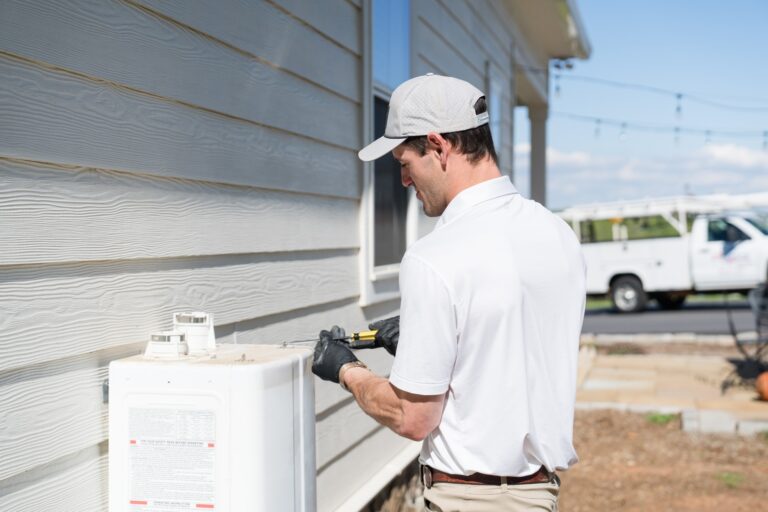
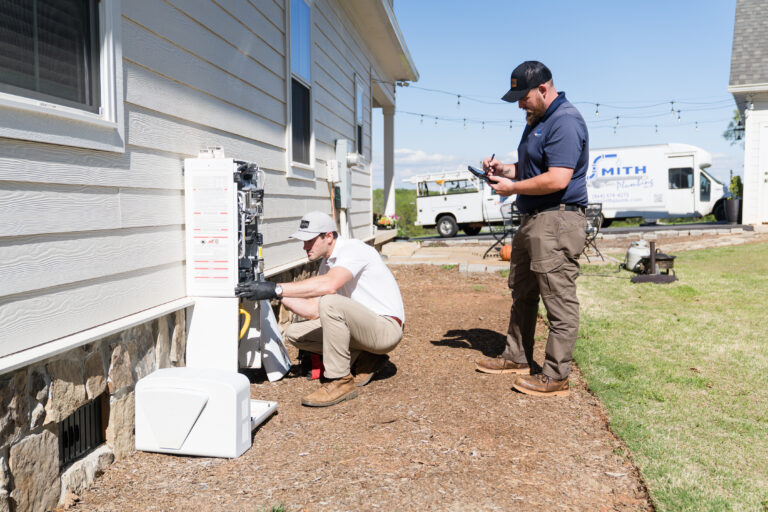
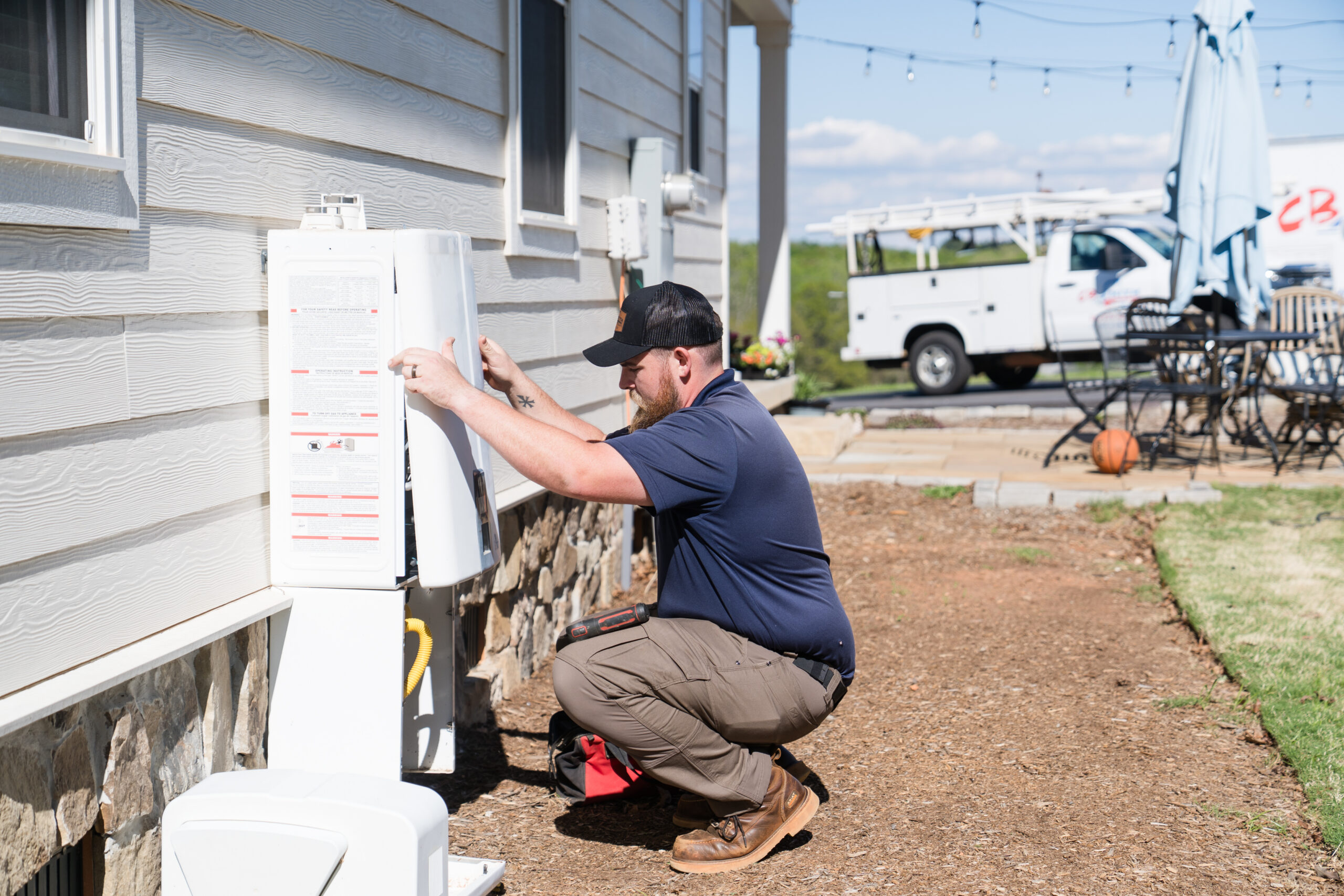
An annual professional inspection is the most reliable way to catch water heater problems before they become emergencies. The inspection covers components and conditions that homeowners cannot easily assess on their own, and it provides a clear picture of the unit’s remaining useful life.
What the inspection includes
A thorough water heater inspection by a licensed plumber typically covers the following:
- Testing the temperature and pressure relief valve by lifting the lever and confirming that water flows freely and stops cleanly when released. A stuck or weeping relief valve is a safety issue that must be addressed immediately.
- Inspecting the anode rod by removing it from the tank and assessing the remaining material. If the rod is heavily corroded or reduced to less than half an inch in diameter, it is replaced.
- Draining and flushing the tank to remove accumulated sediment. The plumber evaluates the color and consistency of the discharge to assess the severity of the buildup.
- Checking the thermostat setting and calibration. The DOE recommends 120 degrees Fahrenheit for most households, which balances adequate hot water delivery with energy efficiency and scald prevention.
- Inspecting the tank exterior for corrosion, moisture, or signs of previous leaking at the base, fittings, or supply connections.
- Evaluating the condition of the supply lines, shut-off valves, and the flue or venting on gas units.
- Checking the expansion tank, if one is installed, to confirm it is properly charged and functioning.
Why this matters specifically in Greer
The Upstate’s water chemistry makes annual inspection more important here than in regions with softer water. The mineral content that passes through Greer’s water supply deposits inside the tank with every heating cycle, and the rate of sediment accumulation and anode rod depletion is directly tied to the mineral load. A water heater in a soft-water area might go five years between anode checks without consequence. In the Upstate, three years is a more appropriate interval, and annual flushing is strongly recommended.
The EPA reports that the average family spends more than $1,000 per year on water costs, and a water heater that is losing efficiency to sediment and scale drives that figure higher. The combination of higher energy costs from reduced heat transfer and the risk of a premature tank failure makes annual professional attention one of the most cost-effective investments a Greer homeowner can make in their plumbing system.
Conclusion
Your water heater works every day, and the warning signs it produces are consistent and predictable if you know what to look for. The homeowners who avoid emergency replacements and catastrophic failures are not the ones with the newest or most expensive units. They are the ones who pay attention.
Once a month, walk past the water heater and look at the base. Check for moisture, rust stains, or any sign of water on the floor around the unit. Listen for unusual sounds when the unit is heating. Run the hot water at a tap and note whether the temperature, flow rate, and clarity are consistent with what you expect. These checks take less than a minute, and they catch the visible symptoms early.
Once a year, schedule a professional inspection that includes a flush, an anode rod check, and a full assessment of the unit’s condition. Tie it to something you already do annually, like your HVAC tune-up or your plumbing maintenance appointment, so it actually gets done.
If your water heater is showing any of the warning signs described in this article, or if it has been more than a year since the unit was professionally inspected, schedule an appointment with CB Smith Plumbing.
Serving Spartanburg, Greenville, and Cherokee Counties since 1982, CB Smith brings over 100 years of combined plumbing experience to every water heater inspection, repair, and replacement. Whether the unit needs a flush and an anode rod or a full replacement with a modern, efficient model, the team has the equipment and the local knowledge to handle it right. Call (864) 574-4275 or reach out online to get ahead of the next failure before it arrives.