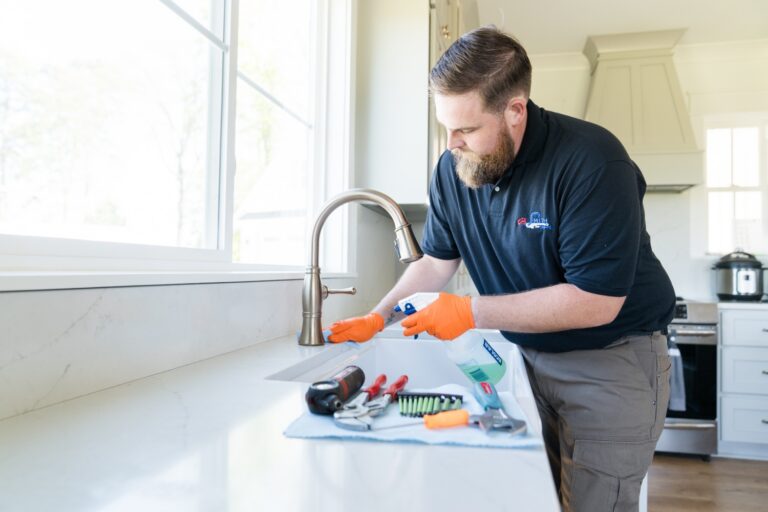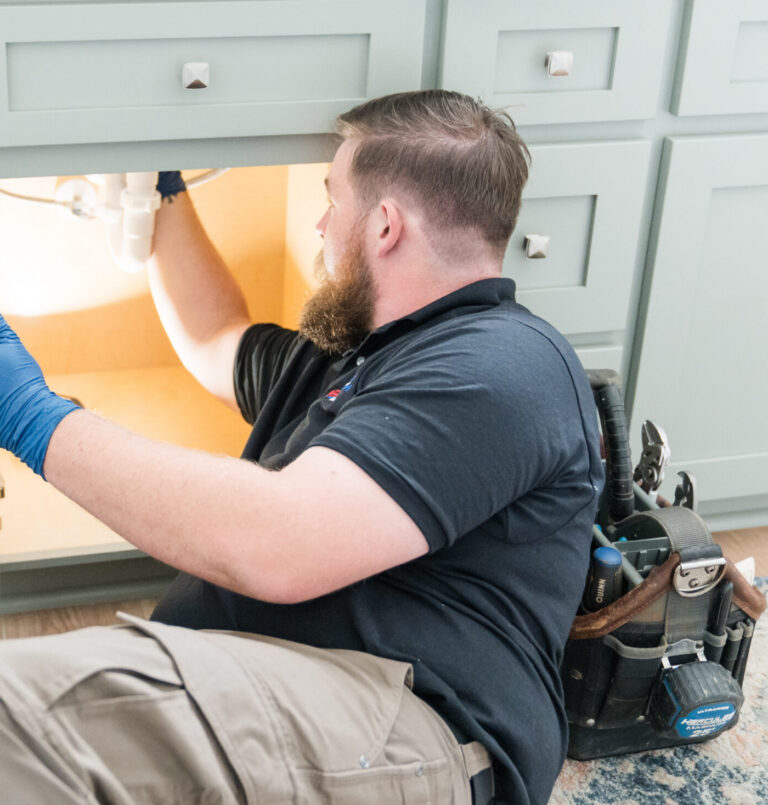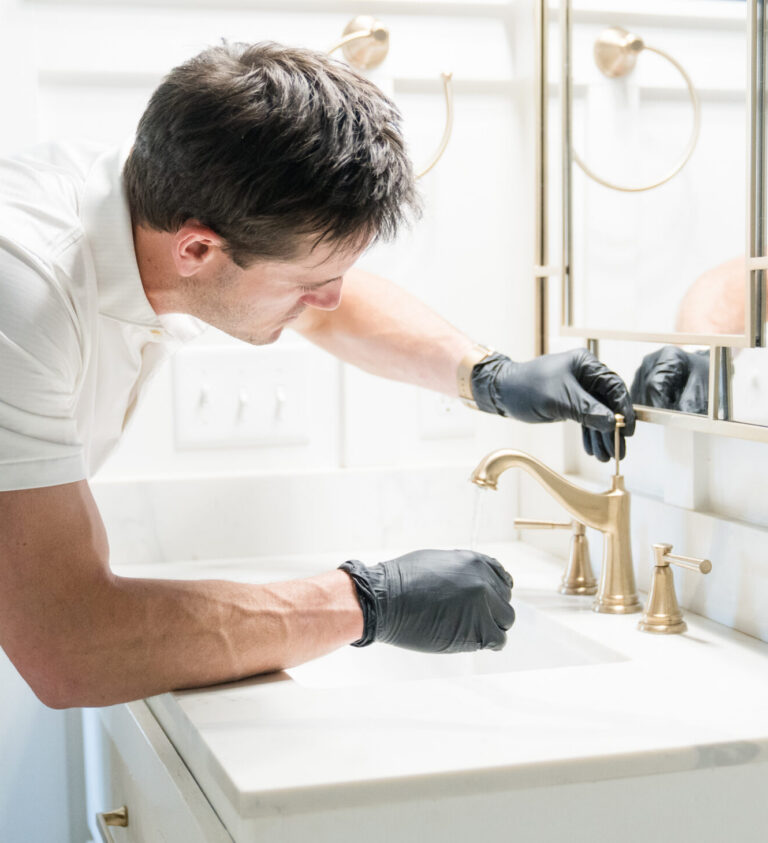
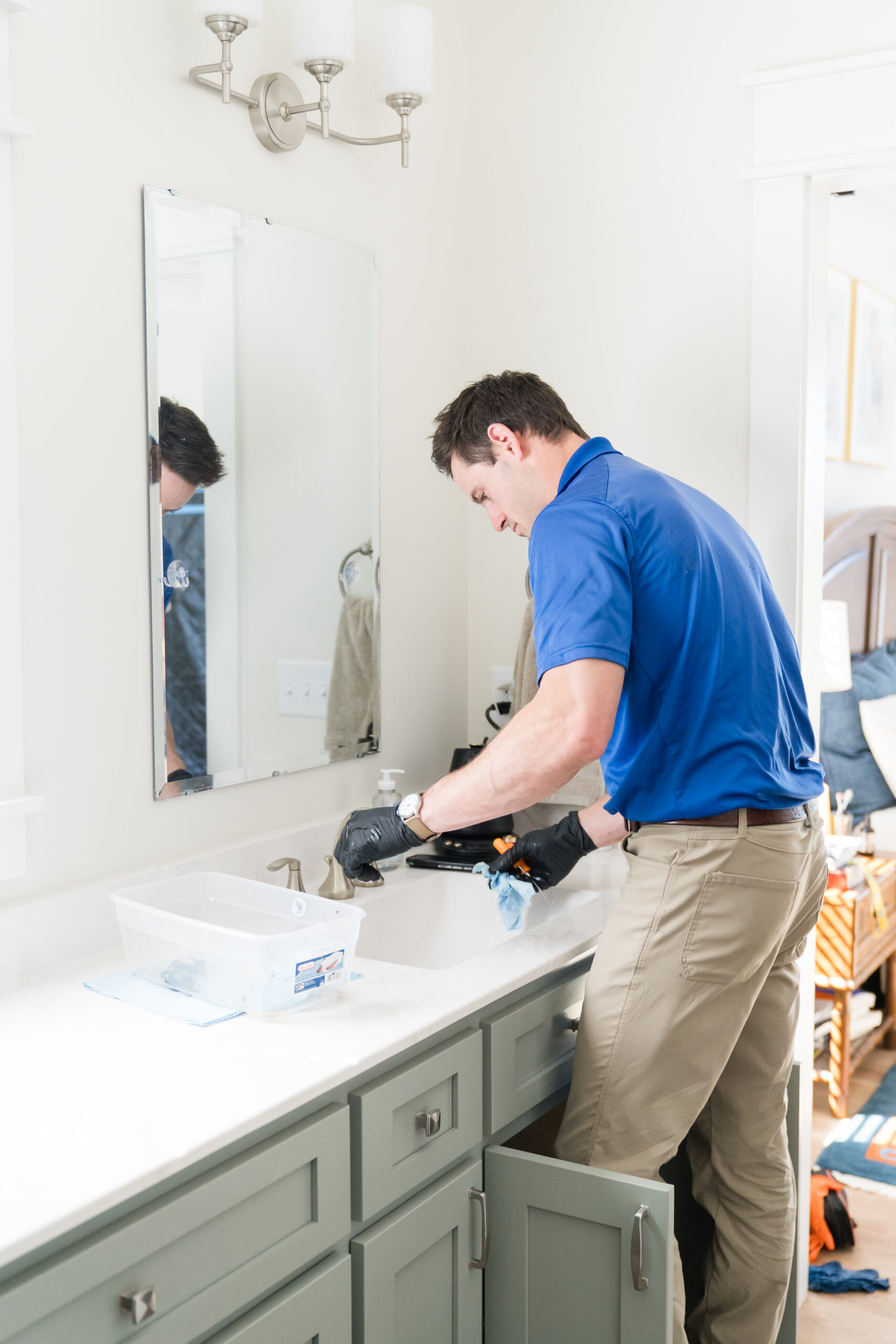

If you own a home in Boiling Springs, SC, residential plumbing maintenance in Boiling Springs is one of the most practical things you can do to protect your property and your wallet. Most plumbing problems do not announce themselves with a dramatic flood. They start small, a slow drain here, a faucet that drips when no one is paying attention, a water heater that takes longer than it used to. By the time those small problems become obvious, they have usually been costing you money for months.
Boiling Springs sits in northern Spartanburg County, where homes range from newer suburban construction to older properties with decades of pipe history underneath them. The Piedmont geology that runs through the Upstate means the local water supply carries a noticeable mineral content, and that mineral load affects every fixture and appliance in your house over time. A plumbing system that ran fine when it was new can quietly lose efficiency year after year if nobody is looking at it.
The good news is that most of what keeps a residential plumbing system reliable is not complicated. It comes down to regular checks, a few seasonal habits, and knowing when a professional set of eyes is worth the call.
This article walks through the plumbing maintenance tasks that matter most for Boiling Springs homeowners, explains why each one protects your home, and covers the warning signs that tell you it is time to stop guessing and schedule an inspection.
In this article, you will learn about:
- Why plumbing maintenance is especially important in Boiling Springs
- What a residential plumbing maintenance checklist actually covers
- The drain and sewer problems that catch Boiling Springs homeowners off guard
- How to keep your water heater running efficiently
- When DIY checks are enough and when you need a professional
Keep reading to understand the specific maintenance steps that prevent the most common and most expensive plumbing failures in Boiling Springs homes.
Why plumbing maintenance matters more than most Boiling Springs homeowners think
Most homeowners in Boiling Springs treat their plumbing the way they treat the wiring in their walls. They ignore it until something breaks. That works right up until a small leak underneath a bathroom vanity warps the subfloor, or a slow sewer line backup sends waste water into the lowest drain in the house.
The financial case for maintenance is straightforward. According to the U.S. Environmental Protection Agency, the average household wastes roughly 9,400 gallons of water per year through leaks alone. That is money leaving your home through dripping faucets, running toilets, and weeping supply lines, and most of it is fixable with basic parts and a little attention. A leaky faucet that drips once per second can waste over 3,000 gallons annually, and a toilet with a worn flapper can lose 200 gallons in a single day without making a sound you would notice.
Beyond the water bill, undetected leaks create conditions for structural damage, wood rot, and mildew growth inside walls and underneath floors. Insurance claims for water damage are among the most common and most expensive residential claims in the country, and a significant share of them trace back to maintenance issues that would have cost very little to catch early.
How Boiling Springs homes face unique plumbing wear
Not all plumbing maintenance advice applies equally everywhere. Boiling Springs has a few local factors that accelerate wear on residential systems.
The Spartanburg County water supply draws from the South Pacolet River and Lake Bowen, and the Piedmont bedrock underlying the region is naturally rich in calcium and magnesium. That mineral content contributes to hard water effects that show up inside your pipes and appliances. Scale gradually builds on water heater elements, narrows supply lines, and clogs aerators and showerheads. If you have ever noticed white chalky deposits on your faucets or a film on your glassware, that is the local water chemistry at work.
Older homes in the area, especially properties built before the 1990s, may still have original galvanized steel supply lines or cast iron drain pipes. Galvanized steel corrodes from the inside out, slowly reducing water pressure and eventually producing pinhole leaks that are hard to find without professional leak detection equipment. Cast iron drain lines deteriorate at their joints over time, particularly in the humid conditions typical of the Upstate climate.
Newer homes are not immune either. Rapid suburban growth in the Boiling Springs area means some properties were built during peak construction periods when speed sometimes outpaced careful installation. Improper drain slopes, undersized supply lines, and loose connections can create problems that take years to surface, long after the builder has moved on to the next subdivision.
What neglect actually costs you
The temptation to skip maintenance is understandable. Everything seems to be working, so why spend time or money on something that is not broken? The answer is that plumbing failure rarely happens all at once. It compounds.
A water heater with a half-inch of sediment at the bottom is not broken, but it is working harder than it should, burning more energy, and aging faster. According to the U.S. Department of Energy, water heating accounts for roughly 13 percent of annual residential energy use and utility costs. When sediment insulates the heating element from the water, the system runs longer cycles to reach the same temperature, and your energy bill climbs without any obvious explanation.
A slow drain in a secondary bathroom might seem like a minor inconvenience, but it often signals a partial blockage that is collecting more debris every day. What starts as a slow drain can become a full backup, and what started as a drain cleaning could become a sewer line repair if the blockage is further down the line and has been building for long enough.
The pattern is consistent. Small, inexpensive problems become large, disruptive ones when they are left alone. Maintenance breaks that cycle.
What a residential plumbing maintenance checklist actually covers
A plumbing maintenance checklist sounds formal, but in practice it is a set of simple inspections and tasks organized by how often they need to happen. Some you can do yourself with no tools at all. Others are better left to a professional who knows what to look for inside walls, under slabs, and at the main sewer connection.
The goal is not to turn every homeowner into a plumber. It is to help you catch the early signs of trouble before they become emergencies and to keep your system operating at the efficiency it was designed for.
Monthly visual checks you can do in ten minutes
You do not need to crawl under the house every month. A quick walk-through of your kitchen, bathrooms, and utility areas is enough to catch the most common early warning signs.
- Look under every sink for moisture, water stains, or a musty smell. Even a small drip from a supply line or a P-trap joint can cause damage over time if it goes unnoticed.
- Flush every toilet and watch how it behaves. If it runs longer than it should, or if you hear water trickling into the bowl between flushes, the flapper is probably worn. The EPA recommends replacing toilet flappers at least every five years to prevent silent leaks.
- Turn on each faucet and shower and pay attention to the water pressure. A noticeable drop in pressure at one fixture could mean a clogged aerator, which is easy to clean. A pressure drop throughout the house could point to something more serious, such as a failing pressure regulator or a developing leak in the supply line.
- Check exposed pipes in the basement, crawl space, or utility closet for signs of corrosion, green or white mineral deposits on copper fittings, or any visible moisture at joints.
These checks take minutes. The issues they catch can save hundreds or thousands of dollars if found early.
Seasonal tasks that protect your system year round
Boiling Springs has mild winters compared to the northern part of the country, but the Upstate does see freezing temperatures, and even brief cold snaps can damage unprotected pipes.
- Before the first freeze of the season, disconnect and drain all garden hoses. Shut off the water supply to outdoor spigots if your home has interior shut-off valves for those lines.
- Insulate any exposed pipes in unheated spaces like garages, crawl spaces, or attic areas. Pipe insulation is inexpensive and takes minutes to install, but it can prevent a freeze-related burst that costs thousands in water damage and repairs.
- In the spring, inspect outdoor hose bibs for drips or cracks that may have developed during winter. A damaged hose bib can leak slowly for months without being obvious.
- Test your sump pump before the heaviest rain season. Pour a bucket of water into the sump pit and make sure the pump activates, pumps the water out, and shuts off properly. If the pump is sluggish or does not activate, address it before a storm tests it for real.
Seasonal maintenance is about timing. The tasks themselves are simple, but doing them at the right time of year is what makes them effective.
What to check on your water-using appliances
Your dishwasher, washing machine, and refrigerator with a water line are all connected to your plumbing system, and they all have parts that wear out.
Washing machine hoses are one of the most common sources of sudden indoor flooding. Rubber supply hoses crack and bulge over time, and a burst hose can release gallons of water per minute into your laundry room or adjacent living space. Inspect the hoses every few months for cracking, bulging, or any moisture at the connections. If your hoses are more than five years old, replacing them with braided stainless steel hoses is a worthwhile upgrade.
Check the dishwasher supply line and the drain connection where it meets the garbage disposal or drain tailpiece. A slow leak at either point can damage cabinetry and subflooring before you notice it. Run the dishwasher and watch the connections while it fills and drains to confirm everything is tight.
If your refrigerator has a water line for ice or a dispenser, check behind the unit periodically. These small-diameter supply lines are easy to forget, but they crack and leak just like any other fitting.
Drain and sewer problems that catch Boiling Springs homeowners off guard
Drains and sewer lines are the parts of your plumbing you think about least, mostly because they are underground or inside walls where you cannot see them. That is also why problems in these areas tend to be discovered late, after they have already caused damage or created a health concern.
The Spartanburg County region has several factors that make drain and sewer maintenance especially important for homeowners in Boiling Springs and the surrounding communities.
Slow drains are not just annoying, they are a warning
A drain that takes a few extra seconds to clear might not seem like a priority, but it is almost always telling you something. Partial blockages inside your drain lines collect more material every time you use the fixture. Hair, soap residue, grease, food particles, and mineral deposits all accumulate on the walls of drain pipes, and the narrower the remaining opening, the faster the buildup accelerates.
The most effective way to stay ahead of drain problems is to schedule periodic drain line cleaning before a slow drain becomes a full blockage. A professional cleaning removes the buildup that household drain cleaners cannot reach, and it gives the technician a chance to assess the overall condition of the line.
There are a few habits that help between professional cleanings:
- Use mesh drain strainers in every shower and tub to catch hair before it enters the drain.
- Never pour cooking grease or oil down a kitchen drain. Let it cool and dispose of it in the trash.
- Run hot water through the kitchen drain for 30 seconds after each use to help move residual grease through the line.
- Avoid chemical drain cleaners. They can temporarily clear a clog, but they also corrode pipe walls and joints, especially in older homes with metal drain lines.
Root intrusion in the Boiling Springs area
Boiling Springs has mature trees throughout its established neighborhoods, and the root systems on those trees are constantly searching for moisture underground. Sewer lateral connections, which are the pipes that run from your home to the municipal sewer main, are one of the most reliable moisture sources a root system can find.
Roots enter sewer lines through joints, cracks, and small separations in pipe material. Once inside, they grow and expand, catching debris and creating blockages that get worse over time. By the time you notice recurring backups or gurgling sounds from your drains, the root intrusion may have been developing for years.
Properties with clay tile or older cast iron sewer laterals are most vulnerable, but even PVC connections can be compromised at joints if the original installation was not properly sealed. If your home is more than 20 years old and surrounded by mature trees, periodic sewer camera inspection is one of the smartest investments you can make. A camera inspection shows exactly what is happening inside the line before it becomes an emergency.
When a backup is more than just a clog
Not every sewer backup is caused by something inside your home. Boiling Springs homeowners should be aware that backups can also result from issues in the municipal line or at the connection point between your lateral and the city sewer.
Signs that the problem may be beyond a simple household clog include:
- Multiple drains backing up at the same time, especially lower-level drains like basement floor drains or first-floor showers and tubs
- Sewage odor coming from drains even when they are not in active use
- Wet spots or unusually green patches in the yard along the path of the sewer lateral
When multiple drains are affected simultaneously, the blockage is almost always in the main sewer line rather than in an individual branch. This is not a job for a plunger or a bottle of drain cleaner. It requires professional equipment and, in many cases, a camera inspection to identify the exact location and cause before any repair work begins.
Keeping your water heater running efficiently in Boiling Springs
Your water heater is one of the hardest-working appliances in your home, and it is also one of the most neglected when it comes to maintenance. Most homeowners do not think about it until they step into a cold shower or notice a puddle on the floor of the utility closet.
In the Spartanburg County area, where the water carries a measurable mineral load from the local Piedmont geology, water heater maintenance is more important than average. Minerals precipitate out of heated water and settle at the bottom of the tank, forming a layer of sediment that thickens every year if it is not addressed.
Why sediment is a bigger deal than it sounds
Sediment buildup does not just sit at the bottom of the tank harmlessly. It creates a physical barrier between the heating element or burner and the water above it. The system has to work harder and run longer to heat the same amount of water, which drives up your energy costs and puts extra thermal stress on the tank itself.
That extra stress accelerates corrosion, weakens the tank lining, and shortens the overall lifespan of the unit. A well-maintained water heater can last 12 to 15 years. A neglected one in a hard water area may fail in 8 years or less, and when a water heater fails, it often fails dramatically, with a ruptured tank that floods whatever room it sits in.
Flushing the tank once a year removes accumulated sediment and restores heat transfer efficiency. It is one of the simplest maintenance tasks with one of the largest returns, yet the majority of homeowners never do it.
The annual water heater checkup
A thorough annual water heater inspection should include several checks beyond just flushing the sediment:
- Test the temperature and pressure relief valve by lifting the lever and confirming that water flows freely through the discharge tube. This valve is a critical safety device that prevents dangerous pressure buildup inside the tank. If it does not release water when tested, or if it drips constantly, it needs to be replaced.
- Check the anode rod. This sacrificial metal rod attracts corrosive elements so the tank itself does not corrode. Most anode rods last three to five years, but in harder water they may degrade faster. If the rod is heavily corroded or less than half an inch in diameter, it is time for a replacement.
- Inspect the area around the base of the tank for any signs of moisture or rust. Even a small drip from the tank body or a fitting can indicate a developing problem that will get worse.
- Verify the thermostat setting. The U.S. Department of Energy recommends a setting of 120 degrees Fahrenheit for most households. This temperature provides adequate hot water for daily use, reduces the risk of scalding, and saves energy compared to the 140-degree factory default on many units.
If you are not comfortable testing the relief valve or inspecting the anode rod yourself, these are tasks a professional plumber can handle quickly during a routine maintenance visit.
Choosing between tankless and traditional water heaters
If your current water heater is approaching the end of its useful life, Boiling Springs homeowners have more options than they did a decade ago. Traditional tank-style water heaters remain the most common choice, but tankless systems have gained ground, particularly in homes where space is limited or where the household wants continuous hot water without waiting for a tank to recover.
Both types benefit from regular maintenance. Tank-style units need annual flushing and anode rod checks. Tankless units need periodic descaling to remove mineral deposits from the heat exchanger, especially in areas like Spartanburg County where the water is harder than the national average.
The best choice depends on your household size, hot water demand, and budget. Either way, the unit you choose will last longer and cost less to operate with consistent maintenance behind it.
When DIY checks are enough and when you need a professional
There is a line between what a homeowner can and should handle and what requires a trained plumber with the right equipment. Knowing where that line sits saves you time, money, and the risk of making a small problem worse.
What you can handle yourself
Most of the monthly and seasonal checks described in this article fall comfortably in the DIY category. Looking for leaks, testing toilets, cleaning aerators, replacing washing machine hoses, and insulating exposed pipes are all tasks that require no special tools or training.
You can also handle minor adjustments like tightening a loose supply line connection under a sink, replacing a worn toilet flapper, or cleaning a clogged showerhead by soaking it in vinegar overnight. These are the kinds of small fixes that prevent bigger problems, and they are well within the ability of any homeowner who is comfortable using basic tools.
A few rules of thumb keep DIY maintenance safe:
- Always know where your main water shut-off valve is before you start any work. If something goes wrong, you need to be able to stop the water immediately.
- Never attempt to work on gas lines yourself. Gas line work requires licensed professionals and carries serious safety risks including leaks, fire, and carbon monoxide exposure.
- If a repair involves opening a wall, cutting into a drain line, or working with the main sewer connection, that is professional territory.
Signs that it is time to call a plumber
Some situations require more than a visual check and a wrench. Call a licensed plumber when you notice any of the following:
- Water pressure has dropped throughout the house without an obvious cause
- You hear water running inside the walls or see unexplained damp spots on ceilings or walls, which may indicate a hidden leak that needs professional leak detection and repair
- Multiple drains are slow or backing up at the same time
- There is a persistent sewage odor inside the home
- Your water heater is making popping or rumbling noises, which typically indicates heavy sediment buildup
- You have recurring clogs in the same drain despite clearing them multiple times
These symptoms rarely resolve on their own, and waiting usually increases the scope and cost of the repair.
The value of an annual professional inspection
Even if nothing seems wrong, scheduling a professional plumbing inspection once a year gives you a complete picture of your system’s condition. A thorough inspection covers areas you cannot easily access, including the condition of supply lines inside walls, the state of your sewer lateral, the integrity of drain installations, and the overall health of your water heater and connected appliances.
According to the EPA, roughly nine percent of homes have leaks that waste 50 gallons or more per day, and many of those leaks are in locations the homeowner cannot see without professional equipment. An annual inspection finds those hidden problems before they cause visible damage.
Think of it the same way you think about a vehicle inspection. Your car may feel fine, but a trained mechanic checking the brakes, tires, and fluid levels once a year catches the things that are wearing out before they leave you stranded. Your plumbing works the same way.
Conclusion
The biggest obstacle to residential plumbing maintenance in Boiling Springs is not difficulty or expense. It is simply that homeowners forget about their plumbing until something forces them to remember. The fix for that is not more knowledge. It is a system.
Pick one day each month to walk through your home and check the basics. Under the sinks, around the toilets, at the water heater. Set a calendar reminder so it actually happens. It takes ten minutes.
Tie the seasonal tasks to something you already do. When you change the clocks in the fall, disconnect the garden hoses and check the outdoor spigots. When you adjust the thermostat in the spring, test the sump pump and look at the hose bibs. When you schedule your annual HVAC tune-up, add a plumbing inspection to the same week.
The homes that avoid the biggest plumbing bills are not the ones with the newest pipes or the most expensive fixtures. They are the ones where somebody is paying attention. A little time spent looking at your system today is always cheaper than the emergency call you make after ignoring it for years.
If you are due for a professional plumbing inspection or you have noticed any of the warning signs covered in this article, schedule an appointment with CB Smith Plumbing. Serving Spartanburg County and the surrounding Upstate communities since 1982, CB Smith brings over 100 years of combined plumbing experience to every job and handles everything from routine maintenance to full system diagnostics. Call (864) 574-4275 or reach out online to get started.