
Knowing when to replace your water heater in Inman is one of the most practical decisions a homeowner can make before a failure forces the issue at the worst possible time. Water heaters fail without much warning. One morning there is hot water, and the next there is none, often on a cold January morning before work or in the middle of a houseful of guests. Most of those failures are avoidable with a little attention to what the unit has been telling you for months beforehand.
ENERGY STAR recommends replacing a water heater once it reaches ten years old, even if it is still running, because units past that age are operating deep inside their failure window and are unlikely to give much advance notice before they quit. That recommendation is not arbitrary. It reflects the documented behavior of water heater components under years of thermal cycling, sediment accumulation, and anode rod depletion.
CB Smith Plumbing has served Inman and Spartanburg County homeowners since 1982. Over those decades, the team has seen every category of water heater failure, from gradual performance decline caught at the right time to catastrophic tank failures that flooded utility rooms and crawl spaces.
The difference between those two outcomes almost always comes down to whether the homeowner was paying attention to early warning signs. This article covers what those signs are, how to read your unit’s age, and what your options are when it is time to make a decision.
In this article, you will learn about:
- How long water heaters are designed to last and what shortens that window
- The warning signs that a water heater is approaching failure
- How to decide between repair and full replacement
- What your replacement options look like, including tankless systems
- What to expect from a professional water heater installation in Inman
Keep reading to understand what your water heater is telling you and how to act on it before you are left without hot water.
How long water heaters are built to last
Water heater lifespan is not a mystery. Manufacturers publish expected service lives, and decades of installation data back them up. The challenge is that most homeowners do not know how old their unit is, and the ones who do often assume it will hold out a little longer than the data suggests.
Understanding the baseline lifespan for your type of unit gives you a framework for every other decision in this article. It tells you whether a repair is worth investing in, what warning signs to take seriously, and when proactive replacement makes more financial sense than waiting for a failure.
Tank water heater lifespan
Standard storage tank water heaters, the type found in most Inman homes, have an average service life of 8 to 12 years according to manufacturer guidelines. That range reflects typical conditions, which include regular use, average water quality, and at least basic maintenance. Units that have never been flushed, never had their anode rod checked, or that operate in areas with hard or corrosive water often reach the lower end of that range.
The 8-to-12-year window applies to both gas and electric tank water heaters. Gas units tend to heat water faster and cycle less frequently under equivalent demand, which can extend their useful life modestly. Electric units are simpler mechanically but rely on heating elements that degrade over time in hard water conditions. Neither type reliably exceeds 15 years under normal residential use.
What shortens a tank water heater’s life in Spartanburg County homes includes:
- Hard water that deposits sediment on heating elements and the tank floor, reducing efficiency and accelerating corrosion
- Infrequent flushing that allows sediment to accumulate unchecked
- A failed or depleted anode rod that leaves the tank interior unprotected against corrosion
- Consistently high water pressure, above 80 PSI, that stresses tank welds and fittings over time
- Units installed in unconditioned spaces like crawl spaces or unheated garages that face wider temperature swings
Knowing your unit’s installation date is the single most useful piece of information you can have. If you do not know it, check the serial number on the nameplate, which encodes the manufacture date in a format the manufacturer can decode, or ask a licensed plumber to assess it during a routine plumbing inspection.
Tankless water heater lifespan
Tankless water heaters last significantly longer than tank units. According to ENERGY STAR guidance on demand water heaters, the life expectancy for tankless systems is approximately 20 years, roughly double that of conventional storage heaters. That longer lifespan is one of the primary financial arguments for choosing a tankless unit at replacement time.
Tankless systems heat water on demand rather than maintaining a stored supply, which eliminates the corrosion and sediment accumulation that ultimately degrades tank interiors. They are more compact, use less energy, and deliver an effectively unlimited hot water supply at the flow rate the unit is sized for. The tradeoff is a higher upfront installation cost and, in some older Inman homes, the need for a gas line upgrade or electrical panel adjustment to support the unit’s demand.
The relevant comparison at replacement time is not just the purchase price but the total cost of ownership over the expected service life. A tankless unit at twice the upfront cost that lasts twenty years and consumes less energy may well be the more economical choice when compared against replacing a cheaper tank unit twice in the same period.
How water quality in Spartanburg County affects lifespan
Water quality is a major factor in how long a water heater lasts in this region. Spartanburg County’s water supply tends toward moderate hardness, and the mineral content varies by source. Hard water leaves calcium and magnesium deposits on heating elements and on the interior walls and floor of a storage tank. Those deposits act as insulation between the heating element and the water, forcing the unit to run longer and hotter to reach temperature setpoints.
Over years, that sediment layer grows thick enough to be audible. A water heater that pops, cracks, or rumbles during heating cycles is almost always communicating that the sediment layer has reached a significant depth. That sound is a signal worth acting on, not ignoring. Homeowners in areas with elevated mineral content may also find that a water softener installation extends the service life of a new water heater noticeably by reducing the mineral load that enters the tank.
Warning signs your water heater is approaching failure
Most water heaters do not fail silently. They signal for weeks or months before they quit entirely. Recognizing those signals for what they are and acting on them before failure occurs is what separates a planned replacement from an emergency call.
The following warning signs apply to both gas and electric tank water heaters. Some are cosmetic or performance-related; others indicate structural failure is imminent. Knowing how to read each one helps you judge how much time you realistically have before a decision is forced on you.
Age combined with performance changes
Age alone is worth acting on once a unit crosses ten years old, but age combined with a performance change is the clearest signal that replacement should happen soon rather than later. A ten-year-old water heater that is delivering noticeably less hot water than it did two years ago is communicating something specific: either the heating element or burner is degrading, sediment has significantly reduced effective tank capacity, or the thermostat is losing accuracy.
A unit that takes noticeably longer to recover after a period of heavy use is exhibiting the same pattern. Recovery time, the time between the end of hot water demand and when the tank is ready to supply it again, extends as heating efficiency decreases. When recovery takes twice as long as it used to, the unit is working twice as hard to accomplish the same result.
Specific performance changes that indicate declining function include:
- Shorter periods of hot water availability before the supply runs cold
- Inconsistent temperature at fixtures that were previously stable
- Longer recovery time after showers or laundry cycles
- A noticeable increase in energy bills without a change in household usage
Any one of these in a unit over ten years old is a reason to schedule an assessment. Two or more together is a reason to start planning replacement seriously.
Rust, discoloration, and odor
Rusty or discolored hot water is one of the most direct indicators of a failing tank. When the anode rod, the sacrificial metal element inside the tank designed to corrode in place of the tank walls, has been fully depleted, the tank itself begins to oxidize from the inside. That rust enters the water supply and produces the reddish-brown discoloration that appears at the tap.
To confirm the source, run cold water at the same fixture. If the discoloration appears only in hot water and not cold, the tank is the source. If it appears in both, the issue is in the supply line rather than the water heater, which is a separate problem worth investigating with a professional leak inspection.
Hot water with a sulfur or rotten egg odor indicates bacterial growth inside the tank, typically caused by a combination of a depleted anode rod, low temperature settings, and stagnant water. In some cases the issue can be resolved by flushing the tank, replacing the anode rod, and raising the temperature setpoint to 140 degrees Fahrenheit for a period. In a tank past ten years old, however, this situation usually indicates the unit is nearing end of life regardless of the odor resolution.
Signs from the water itself that warrant a professional assessment include:
- Reddish or brownish tint in hot water only
- Metallic taste in hot water that has not been present previously
- Sulfur odor from hot water fixtures
- Sediment or grit visible in hot water drawn into a clear glass
Physical signs at the unit itself
The exterior of the water heater carries its own set of warning indicators. Moisture around the base of the tank, even a small amount, is a serious signal. Tank-body cracks do not always produce dramatic flooding. They often weep slowly at first, accumulating moisture at the base before the failure expands.
Corrosion or rust on the exterior of the tank, particularly around the top fittings, the pressure relief valve, or the drain valve, indicates that the unit has been exposed to moisture it should not have been. Corrosion at fittings is repairable. Corrosion on the tank body itself is not.
Physical indicators that require prompt professional evaluation include:
- Any moisture or pooling water at the base of the tank
- Rust or corrosion on the tank body exterior, not just the fittings
- A pressure relief valve that drips continuously or has discharged recently
- Visible cracks or deformations in the tank body
- Fittings that show heavy mineral buildup or have begun to separate from the tank
A water heater that is actively leaking from the tank body is in imminent failure. That situation calls for immediate replacement, not repair, and the timeline is measured in days, not weeks. Reaching out to a plumber in Spartanburg County when these signs appear prevents the controlled problem from becoming a flooded utility room.
Repair versus replacement: making the right call
The repair-versus-replace decision is the one most Inman homeowners wrestle with when they call about water heater problems. The answer is not always obvious because the short-term cost of a repair is almost always lower than the cost of a replacement. The question is whether the repair buys meaningful additional life or simply defers a replacement by a few months.
Several factors determine which choice makes financial and practical sense.
When repair is the right answer
Repair makes sense when the unit is relatively young, the failure is isolated to a component rather than the tank body, and the repair cost is modest relative to the remaining useful life of the unit. A heating element replacement on a six-year-old electric water heater is a good example: the part is inexpensive, the repair is straightforward, and the unit has years of useful life remaining.
Similarly, a thermocouple failure on a gas unit, a faulty thermostat, or a pressure relief valve that needs replacement are all repairs worth making on units in the early half of their expected lifespan. These are wear items that fail independently of the tank’s structural condition.
Situations where repair is the appropriate choice include:
- The unit is under ten years old and the tank body shows no signs of rust or corrosion
- The failure is in an identifiable component, not a structural part of the tank
- The repair cost is less than 50 percent of the cost of a comparable replacement unit
- No prior repairs have been made on the same component within the last two years
When replacement is the right answer
Replacement becomes the right call once the unit is past ten years old, when the tank body itself is the source of the problem, or when the cumulative cost of repairs over the last two years approaches what a new unit would cost. A unit that has already had the thermostat, a heating element, and the anode rod replaced in rapid succession is telling you clearly that the end of its service life is near regardless of whether the tank itself has leaked yet.
ENERGY STAR specifically recommends proactive replacement before failure for units past ten years old, precisely because emergency replacements limit the homeowner’s ability to compare options, choose the right unit size, and plan installation timing. A planned replacement done on a schedule is almost always less disruptive and less expensive in total than one executed under emergency conditions.
Situations where replacement is the better choice include:
- The unit is ten years old or older, regardless of current function
- The tank body is the source of the leak or corrosion
- The unit has required multiple repairs in a two-year window
- Hot water performance has declined noticeably despite recent repairs
- The homeowner is planning to sell the home and wants to eliminate a likely inspection flag
The cost of waiting
The cost of an unplanned water heater failure extends beyond the unit itself. A tank that fails suddenly can release forty to eighty gallons of water into the surrounding area before a homeowner can locate and close the shutoff valve. In a finished utility room or a space adjacent to living areas, that water damages flooring, drywall, framing, and stored belongings. The water damage remediation cost alone often exceeds the cost of the replacement unit several times over.
Homes that have experienced prior slab leak issues or water damage events are particularly vulnerable to compounding costs when a water heater failure is added to the picture. The combination of a failed unit and pre-existing moisture vulnerability in the same area can produce remediation scenarios that are disproportionately expensive compared to what proactive replacement would have cost.
Replacement options for Inman homeowners
When replacement is the right call, Inman homeowners have more options than a simple like-for-like swap. The water heater market has changed significantly in recent years, and the choice between a tank and a tankless system involves real differences in cost, performance, and long-term economics that are worth understanding before making a decision.
Standard tank replacement
A standard tank water heater replacement is the fastest and least expensive option at the point of installation. Gas and electric tank units are widely available, installation is straightforward in most homes, and a replacement is often completed within a few hours. For homeowners who simply want reliable hot water restored with minimal disruption and upfront cost, a like-for-like tank replacement is a practical choice.
The sizing decision at replacement time is important and often overlooked. Many Inman homes were built with water heaters sized for the household that lived there at the time of original construction. If the household has grown, or if the original unit was undersized, replacement is the right moment to correct that. A 40-gallon tank that was always borderline is better replaced with a 50-gallon unit rather than replaced identically.
Factors to consider when sizing a replacement tank unit include:
- Current household size and peak hot water demand patterns
- Whether heavy water uses like soaking tubs, large showers, or high-demand appliances have been added since the original installation
- The fuel source available, since switching from electric to gas or vice versa involves additional installation work
- The first-hour rating of the unit, which describes how much hot water the heater can supply in the first hour of use, not just total tank capacity
Tankless water heater installation
A tankless water heater installation represents a larger upfront investment but delivers a meaningfully different ownership experience over the following two decades. Tankless units produce hot water on demand with no storage tank to corrode, no sediment to accumulate, and no standby heat loss from maintaining a stored supply at temperature around the clock.
The energy efficiency advantage is real. Tankless units eliminate standby heat loss entirely, which reduces water heating energy consumption for most households. The longer service life, approximately 20 years according to ENERGY STAR data, also means the installation cost is amortized over a period that is twice as long as a standard tank replacement.
The upfront considerations for a tankless installation include:
- Gas units require a larger gas supply line than most tank heaters use; upgrading the line is often part of the installation cost
- Electric tankless units require significant electrical capacity and often need a dedicated circuit or panel upgrade
- Tankless units are sized by flow rate, not gallon capacity, and must be matched to the household’s simultaneous hot water demand
- Proper installation by a licensed plumber ensures the unit is sized and vented correctly, which directly affects both performance and lifespan
Inman homeowners who are planning to stay in their home long-term and who have experienced hot water supply limitations with their current tank unit are often the best candidates for a tankless upgrade at replacement time.
What to ask before choosing
The right replacement choice depends on factors specific to your home and your priorities. A licensed plumber can assess the existing installation, the gas or electrical infrastructure available, and the household demand profile to give you a recommendation grounded in the actual conditions rather than a generic preference.
Before a replacement appointment, it helps to know the answers to a few questions:
- How old is the current unit, and what has been repaired on it in the last few years
- What fuel source currently serves the water heater, and whether infrastructure changes are feasible
- Whether the household has experienced consistent hot water shortages that a larger or tankless unit could address
- What the approximate budget range is for the project, inclusive of any infrastructure work
A plumber who has done new construction plumbing and replacement work throughout Spartanburg County will have seen the full range of situations and can identify whether any pre-existing conditions in the installation space need to be addressed at the same time.
What to expect from a professional water heater installation in Inman
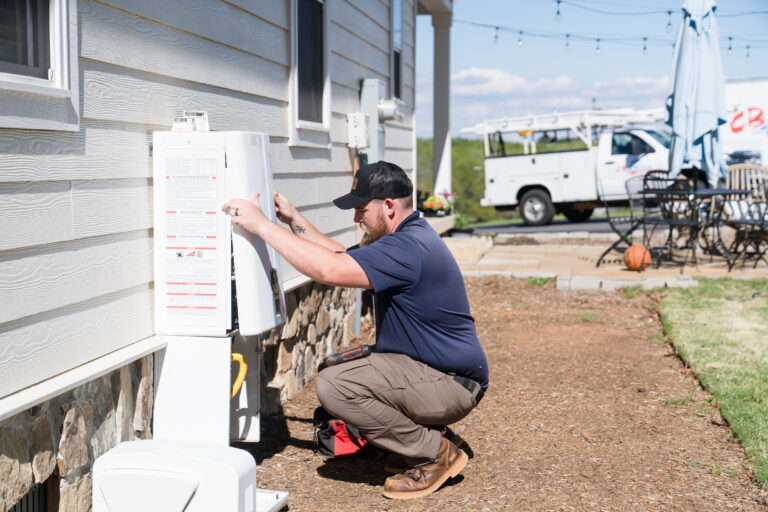
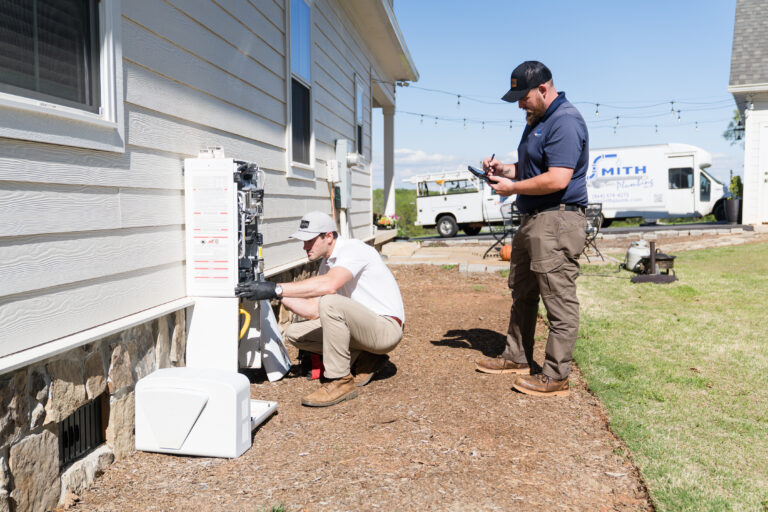
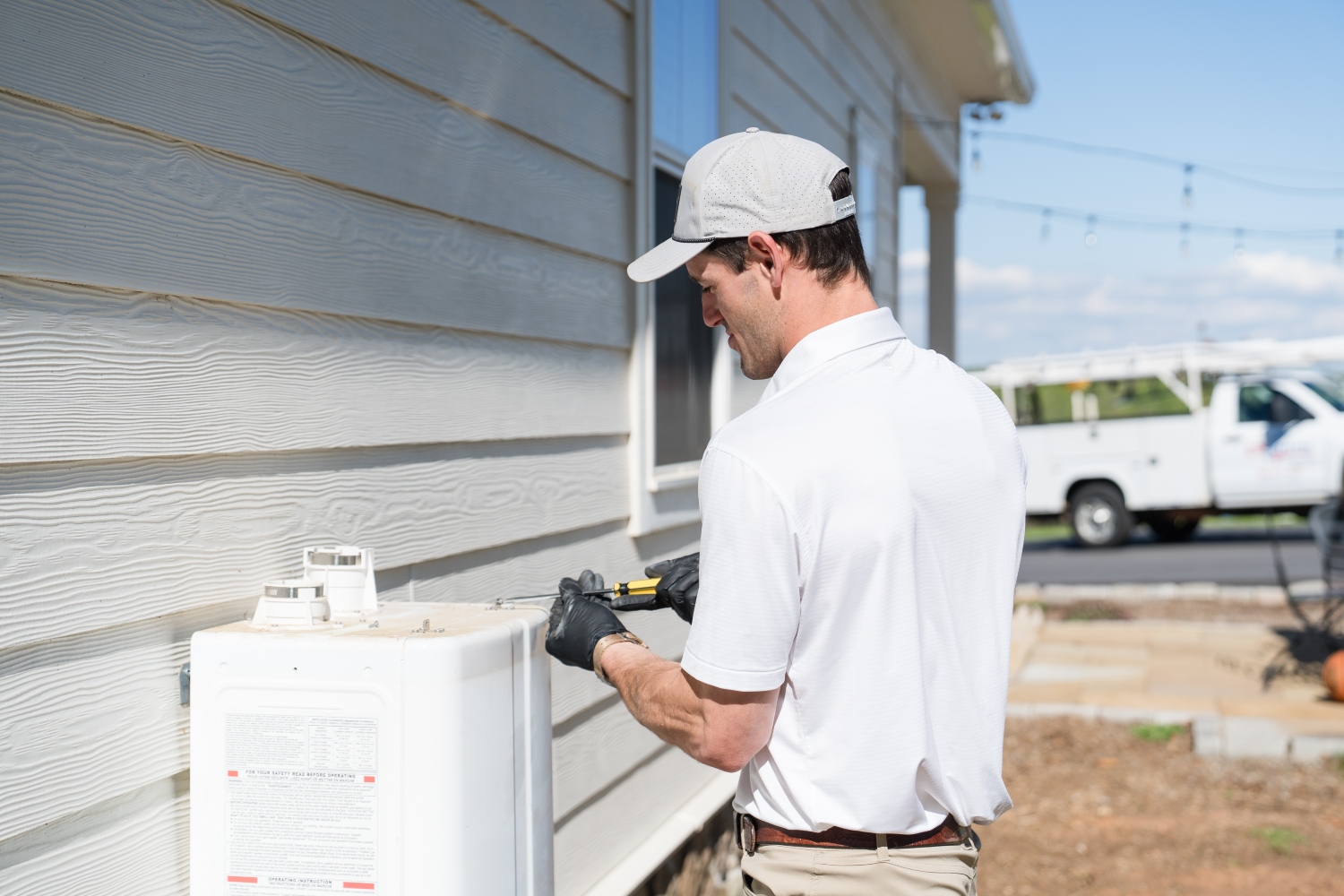
A professional water heater installation involves more than carrying out the old unit and connecting the new one. Done correctly, it includes a code-compliant installation with proper permits, an assessment of the surrounding plumbing for any conditions that should be addressed at the same time, and a functional test before the plumber leaves the job.
CB Smith Plumbing has been completing water heater installations in Inman, Greer, Gaffney, Lyman, and throughout Spartanburg County for over four decades. Every installation follows the same standard: the right unit for the application, installed correctly, with the surrounding plumbing left in better condition than it was found.
The installation process from assessment to startup
A water heater installation begins with an assessment of the existing setup. The plumber reviews the current unit’s condition, the condition of the supply lines and shutoff valves serving it, the drain pan or surrounding floor for any existing moisture damage, and the venting or electrical connections as applicable. If any of those elements need attention, addressing them during the same service visit is almost always less expensive than returning for a separate call.
The new unit is then installed with fresh supply line connections, a properly functioning pressure relief valve with a discharge pipe routed correctly to a drain or exterior location, and all connections leak-tested before the system is pressurized. The plumber verifies proper temperature setpoints, confirms the pilot light or heating element is functioning, and confirms hot water delivery at a fixture before completing the job.
A complete installation also includes:
- Proper disposal of the old unit, which contains materials that require specific handling
- Confirmation that the drain pan and floor under the installation area are dry and undamaged
- A walkthrough with the homeowner covering shutoff valve location, temperature settings, and what to do if a problem occurs before the next inspection
- Any adjustments needed to bring the installation into compliance with current code if the previous unit was installed under older standards
Inspecting surrounding plumbing at the same time
A water heater installation is a natural opportunity to assess the condition of nearby plumbing that may not receive regular attention. Supply shutoff valves that have not been exercised in years, drain connections that are showing early signs of corrosion, and pressure relief valve discharge points that do not meet current code are all items a thorough plumber will note and address.
Homes in Inman that have the water heater located near other aging plumbing components benefit from using the installation visit as a broader assessment moment. It is far more efficient to address two or three adjacent issues during a single visit than to schedule separate service calls for each one as they surface individually.
Homeowners whose inspections reveal signs of a sewer line needing attention in the same area should flag those findings during the installation consultation so they can be prioritized alongside the water heater work rather than deferred into a separate scheduling queue.
Scheduling a water heater assessment before failure
The most effective approach for any Inman homeowner with a water heater that is eight years old or older is to schedule a professional assessment before a failure occurs. The assessment takes less time than an emergency replacement, allows for unhurried comparison of replacement options, and gives the homeowner time to plan the investment rather than making a decision under pressure.
CB Smith Plumbing can assess the current unit’s condition, estimate remaining useful life, and provide a clear recommendation on whether repair, proactive replacement, or continued monitoring is the right call for your specific unit and situation. Inman homeowners looking for dependable help from a team that has served the area for over four decades can also reach out for help with drain line maintenance, repiping, and full residential plumbing services across Spartanburg County.
Conclusion
Replacing your water heater in Inman before it fails is not a complicated decision once you understand what to look for. A unit past ten years old that is showing signs of declining performance, rust, sediment noise, or any moisture at the base is telling you something clear: the end of its service life is close, and the timing of the decision is yours to control only if you act before the unit makes it for you.
The difference between a planned replacement and an emergency one is measured not just in cost but in options. A planned replacement lets you choose the right unit for your household, schedule the work at a convenient time, and address any surrounding plumbing conditions at the same time. An emergency replacement under pressure forces a fast decision with no time for comparison.
When you are ready to have your water heater assessed or replaced, the team at CB Smith Plumbing is here to help. With over 40 years of service in Inman and throughout Spartanburg County, CB Smith brings the expertise to tell you honestly what your unit needs and to complete the installation correctly the first time. Call (864) 574-4275 or visit cbsmithplumb.com/contact-us to schedule your assessment today.