
A summer plumbing checklist in Gaffney is something most homeowners think about only after a problem surfaces, not before. That timing is exactly backwards. The end of summer is when the season’s accumulated stress on pipes, fixtures, outdoor lines, and water-using appliances starts to show up as slow drains, elevated water bills, and hose bib failures, all of which are far easier to address before fall sets in than during the rushed pace of the holiday season.
According to the U.S. EPA WaterSense program, homeowners use between 30 and 70 percent of their water outdoors during summer months depending on the region, and roughly half of that outdoor water is wasted due to evaporation, runoff, and overwatering.
That volume of water moving through outdoor lines, irrigation connections, and hose bibs all season puts real wear on the components that deliver it. By late summer, many of those components are showing the effects whether you have checked them or not.
CB Smith Plumbing has served Gaffney and Cherokee County homeowners since 1982. The calls the team receives in September and October are often preventable problems that were building quietly since June.
This checklist walks through every area of the home where summer creates plumbing risk, what to look for, and when the right call is to bring in a licensed plumber before a manageable issue becomes a fall emergency.
In this article, you will learn about:
- Why summer is harder on home plumbing than most homeowners realize
- The outdoor plumbing items every Gaffney homeowner should check before summer ends
- Indoor plumbing checks that summer demand makes more urgent
- Water heater and appliance maintenance tied to the summer season
- When a professional plumbing inspection is the right next step
Keep reading to work through the full checklist and close out the summer with your plumbing in good shape heading into fall.
Why summer is harder on home plumbing than most homeowners realize
Summer looks like the easy season for plumbing. No frozen pipes, no burst lines from hard freezes, no ice-related failures. What it actually brings is a sustained increase in demand across every part of the system, combined with soil conditions that accelerate tree root growth, higher outdoor water usage that stresses hose bibs and irrigation lines, and more household activity that puts added load on drains and fixtures.
The U.S. Department of Energy reports that the average American family uses roughly 30 percent more water during summer months than the rest of the year. That increase does not distribute evenly across the plumbing system. It concentrates in outdoor supply lines, kitchen drains that handle more cooking activity during cookouts and family gatherings, and bathrooms that see higher traffic from guests. Each of those concentrations is a potential failure point if the system was already showing early signs of wear going into the season.
Cherokee County homes have their own regional patterns that shape what the checklist covers. Older homes in Gaffney frequently have plumbing infrastructure that is several decades old, meaning the stress of an elevated-demand summer season lands on components with less remaining service life. Soil conditions in the Upstate also support aggressive tree root growth, particularly in the summer months when roots pursue moisture and can infiltrate sewer line cracks that went unnoticed during winter and spring.
How summer demand exposes existing weaknesses
The most useful way to think about summer plumbing risk is that the season does not usually create new problems from nothing. It amplifies existing ones. A hose bib fitting that was slightly corroded going into June may hold until August when it has processed thousands of gallons of water. A drain line with modest grease buildup from spring may not back up until the additional load of summer cooking pushes it past the tipping point. A water heater sediment layer that was significant but tolerable in April may become audibly problematic by July when demand is consistently higher.
The items that are most likely to reveal themselves as failures by the end of summer include:
- Outdoor hose bibs and irrigation connections that have been running at full capacity for months
- Kitchen drain lines that have accumulated grease from increased cooking activity
- Water heaters that have been operating under elevated summer demand without annual maintenance
- Sewer lines where root intrusion has been progressing since spring
- Supply line hoses on toilets and appliances that have aged quietly
Running through this checklist while the season is still visible in your water bill and usage patterns gives you the clearest possible picture of what the summer has actually done to your plumbing system.
The cost of deferring end-of-summer maintenance
Every item on this checklist represents a choice between addressing it now and addressing it later under worse conditions. A hose bib inspection takes ten minutes in August and a simple repair if something is found. The same hose bib left unaddressed can fail during winter and create the exact kind of freeze-related pipe damage that the mild summer made easy to avoid.
A drain cleaning performed at the end of summer clears the cumulative buildup from months of higher-than-normal kitchen and bathroom use. The same drain ignored through fall adds holiday cooking grease on top of the existing buildup, producing a backup at Thanksgiving that no homeowner wants to deal with. Prevention in September costs a fraction of emergency service in November.
Outdoor plumbing checks before summer ends
Outdoor plumbing takes the heaviest summer workload of any part of the system. Hose bibs, irrigation lines, and any supply lines that run near the exterior of the home have been in continuous use since spring. By late summer they have earned a thorough inspection, and the issues most likely to be found at this stage are the ones easiest to fix before cold weather complicates them.
Gaffney homeowners with mature trees anywhere near outdoor supply lines or the main sewer line should pay particular attention to the root intrusion checks in this section. Cherokee County’s soil and climate support aggressive root systems, and the summer growth cycle is when those roots do the most lateral expansion.
Hose bibs and outdoor supply connections
A hose bib that drips at the connection point between the hose and the faucet, or at the point where the faucet meets the exterior wall, is a relatively minor repair when caught in August. Left to freeze in November, that same fitting can split the supply line inside the wall and cause significant interior water damage before anyone realizes what happened.
End-of-summer hose bib checks should cover:
- Removing the hose and checking the bib for dripping at the faucet face, the wall fitting, and any shutoff behind the wall
- Looking for mineral deposits or corrosion around the faucet body, which indicate the fitting has been weeping for some time
- Checking the area of the exterior wall immediately around and below the bib for staining, paint bubbling, or any indication that water has been traveling behind the siding
- Testing the shutoff valve behind the wall, if accessible, to confirm it closes fully
A hose bib that no longer shuts off completely or that continues to drip after the hose is removed should be repaired or replaced before the first freeze risk arrives. That window in Gaffney typically opens in late October, which makes late August and September the practical deadline for addressing these items without urgency.
Irrigation systems and outdoor drain lines
Irrigation systems operate largely invisibly. Once they are programmed and running in spring, most homeowners do not walk the zones again until something stops working or a water bill comes in higher than expected. By late summer, the components that have been running since April deserve a zone-by-zone review.
The EPA WaterSense program notes that homes with automatic sprinkler systems use approximately 50 percent more water outdoors than homes without them, and that a significant portion of that increase comes from systems running longer than necessary or with components that are not functioning correctly. An end-of-summer zone check identifies both problems.
An effective irrigation inspection covers:
- Running each zone individually and walking it while it operates to observe head coverage and flow
- Looking for zones that run longer than programmed, which may indicate a stuck valve
- Identifying any heads that are spraying sidewalks, driveways, or foundations rather than landscape
- Checking for unusually wet or soft ground between heads that suggests an underground line leak
- Confirming that the controller schedule reflects actual late-summer conditions rather than the peak-heat settings from July
Outdoor floor drains and area drains that handle runoff from downspouts, driveways, or low-lying yard areas should also be checked for debris accumulation. Summer leaf and mulch debris clogs outdoor drains quietly, and the problem only becomes apparent during fall rains when drainage capacity is needed most.
Sewer line and root intrusion risk
Tree root intrusion accelerates during summer because roots actively seek moisture and grow toward supply-line moisture that they detect through small cracks or joint separations in older pipe. A sewer line with a hairline crack that held through winter may have allowed roots to enter and begin expanding during the summer growing season.
The earliest signs of root intrusion in the main sewer line include:
- Multiple drains in the house running more slowly than usual at the same time
- Gurgling sounds from a toilet or floor drain when other fixtures are in use
- A sewage odor near drain fixtures that appears without an obvious single-fixture cause
- A toilet that backs up or requires multiple flushes more often than it did in spring
Any of these symptoms warrants a camera inspection before fall, not after. Root intrusion that is caught early, when roots have entered the line but not yet created a full or near-full blockage, is addressed with cleaning. Root intrusion caught after a complete blockage or after roots have damaged the pipe wall is addressed with excavation. The earlier call is substantially less expensive. Homeowners who know their home has mature trees in the yard near the sewer line should consider scheduling a sewer line inspection as a standard end-of-summer practice regardless of symptoms.
Indoor plumbing checks for the end of summer
Indoor plumbing takes a different kind of summer stress than outdoor lines. It sees higher traffic, more cooking waste in drains, more laundry, and in many Gaffney homes, house guests who use fixtures that are otherwise lightly loaded. By late summer, the indoor system has been running at elevated demand for three to four months, and the inspection items that follow are the ones most likely to show the effects.
Kitchen drain and garbage disposal maintenance
The kitchen drain accumulates more grease and food waste during summer than at any other time of year except the holiday season. Cookouts and family gatherings produce cooking oil, rendered fat, and starchy food scraps that enter kitchen drains in higher volumes than normal weekday cooking produces. That material builds up on pipe walls and combines with soap residue to form the kind of dense, sticky blockage that does not flush through on its own.
By late August, a kitchen drain that has processed months of summer cooking activity is in the highest-risk state it will be in until December. Clearing that buildup now, before holiday cooking adds another layer to it, keeps the drain functioning through the end of the year without an emergency call.
End-of-summer kitchen drain checks include:
- Running hot water for 60 seconds and observing whether the sink drains as quickly as it should
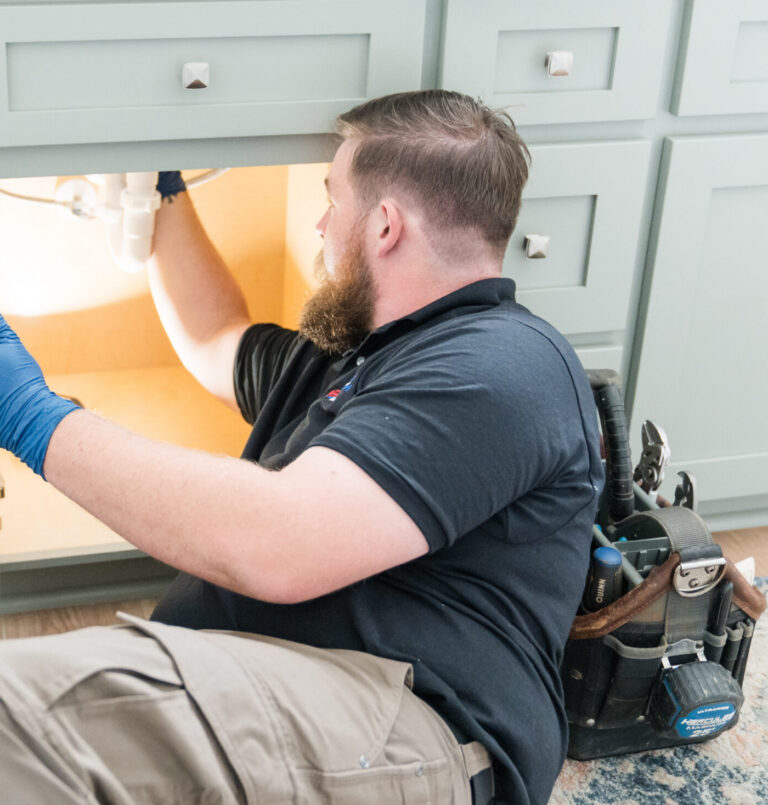
- Checking under the sink for any moisture at the drain basket connection or the P-trap
- Inspecting the garbage disposal for unusual noise, slow drainage after the disposal runs, or any evidence of a leak at the connection to the drain line
- Checking the dishwasher drain connection at the disposal or drain inlet for any signs of moisture or separation
If the kitchen drain is running noticeably slower than it did in spring, that is a signal that professional drain cleaning is warranted before fall. A slow kitchen drain in September becomes an unpredictable kitchen drain by November, and the combination of holiday cooking and a compromised drain line is a reliable recipe for a backup.
Bathroom plumbing and fixture inspection
Bathrooms in Gaffney homes see higher traffic during summer, particularly in homes that host guests, run youth sports schedules, or have seasonal visitors. Shower drains accumulate hair and soap buildup at an accelerated rate under higher use. Toilet supply lines and flappers that were marginally functional going into summer may have been stressed by the additional cycling into a failure state.
A late-summer bathroom walkthrough should cover:
- Testing every shower and tub drain for flow rate, and clearing any hair catcher inserts that have accumulated debris
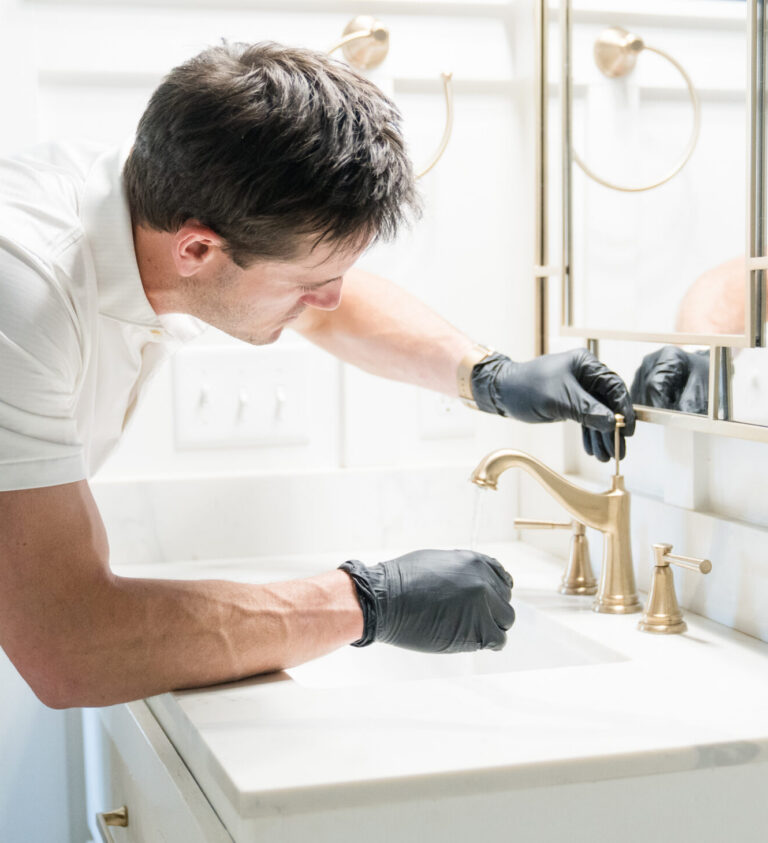
- Checking toilet supply line hoses for any sign of moisture, swelling, or mineral buildup at the connection points
- Performing the food coloring flapper test on each toilet to confirm the flapper is sealing without running water to the bowl
- Inspecting caulk and grout around shower and tub surrounds for any cracking or separation that allows water to reach the subfloor
A toilet flapper that fails the coloring test is wasting water silently every day. According to EPA WaterSense data, a single running toilet can waste up to 200 gallons per day. That is a straightforward repair that eliminates a constant water waste problem and brings a summer water bill back to normal immediately.
Supply line hose inspection throughout the home
Supply line hoses, the braided stainless or plastic lines connecting shutoff valves to toilets and sink faucets, have finite service lives that most homeowners never think about until one fails. The standard recommendation is to replace these hoses every five to seven years. Hoses that have never been replaced in a home that is ten or fifteen years old are operating well past that window.
Summer heat can accelerate degradation in supply line hoses, particularly in spaces like under-sink cabinets or utility closets where temperatures climb during warm months. A hose that has been subtly weeping at a connection point all summer may have done enough damage to the cabinet floor or the wall behind it that the hose failure is no longer the only repair needed.
Supply line inspection items for late summer include:
- Checking every toilet supply hose and under-sink supply hose for any moisture at either end
- Looking at the cabinet floor and the wall behind supply lines for any staining, discoloration, or soft spots
- Replacing any hose that has visible corrosion at the fitting, cracking along the braided body, or swelling at the connection points
- Noting the age of the home and whether the original supply line hoses have ever been replaced
If you are finding hidden leak signs in multiple rooms during this inspection, that pattern warrants a professional assessment rather than individual repairs. Multiple supply line failures in the same home at the same time usually indicate an age-related issue across the system rather than isolated component failures.
Water heater and appliance checks for late summer
The water heater and water-using appliances run at higher volume during summer and are worth a specific inspection pass before fall. A water heater that has been running at elevated demand for several months may be showing signs that it missed during a winter-focused inspection. Washing machines and dishwashers that have been used more frequently throughout summer also benefit from a quick condition check before the even-heavier-use fall and holiday season arrives.
Water heater condition and performance
A water heater that pops, rumbles, or cracks during heating cycles is communicating that sediment has accumulated on the floor of the tank and on the heating elements. That sediment layer forces the unit to run longer to reach temperature, which increases energy use and accelerates wear on the tank and heating components. Flushing the tank removes the accumulated sediment and restores efficiency.
If the unit is more than ten years old and has not been replaced, the end of summer is a practical time to schedule a professional assessment. ENERGY STAR recommends proactive replacement for units past ten years old before failure forces an emergency decision. Having that conversation in late summer gives time to choose the right replacement unit, including whether a tankless water heater installation makes sense for the household, rather than making a rushed choice during a cold-water emergency in winter.
End-of-summer water heater checks include:
- Listening for sediment noise during a heating cycle, which typically sounds like popping, rumbling, or low cracking sounds
- Checking the temperature and pressure relief valve for any dripping or discharge residue, which indicates the valve has been activating
- Inspecting the area around the base of the tank for any moisture, rust, or mineral deposits
- Reviewing hot water performance, noting whether recovery time after heavy use has lengthened compared to earlier in the year
A water heater showing any of the physical warning signs above, particularly moisture at the base or corrosion on the tank body, should be assessed by a licensed plumber promptly. Those signs indicate structural deterioration that will progress, not stabilize. Homeowners who want to understand the full picture before the holiday season can also combine a water heater assessment with a look at water quality in Spartanburg County to determine whether the mineral content of their water has been accelerating wear on the tank and surrounding plumbing.
Washing machine and dishwasher supply hoses
Washing machine supply hoses are one of the most common sources of sudden, significant indoor water damage in residential plumbing. These hoses operate under constant line pressure, unlike most other supply connections in the home that are under pressure only when a fixture is in use. A hose that is cracking, swelling, or has visible wear at the fitting is a failure risk that deserves replacement regardless of whether it has actively leaked yet.
Standard rubber washing machine hoses have a service life of approximately five years. Reinforced braided stainless hoses last longer but still require inspection for wear at the crimped fitting ends. Summer heat combined with consistent use accelerates the rubber degradation that eventually causes these hoses to fail.
Appliance supply line checks to complete before fall include:
- Pulling the washing machine out from the wall and inspecting both hot and cold supply hoses along their full length
- Checking the hose-to-fitting connection at both ends for any moisture, corrosion, or swelling
- Inspecting the dishwasher supply line and drain connection under the sink for any separation or moisture
- Replacing any rubber washing machine hoses that are five or more years old as a precautionary measure, regardless of visible condition
When to schedule a professional plumbing inspection
This checklist covers the items a Gaffney homeowner can assess independently. But some of what summer does to a plumbing system is not visible from a fixture-by-fixture walkthrough. Sewer line root intrusion, supply line pressure issues, water heater anode rod depletion, and early signs of pipe corrosion in walls and crawl spaces require professional equipment and trained eyes to identify accurately.
A professional end-of-summer plumbing inspection covers the full system, not just the visible components. It gives a Gaffney homeowner a documented picture of where the plumbing stands heading into fall and winter, when any issues that were manageable in August become significantly harder to address in cold weather.
What a professional inspection adds to the checklist
A licensed plumber brings equipment that homeowners do not have access to and experience reading conditions that are easy to misinterpret without context. Camera inspection evaluates the interior of sewer and drain lines for root intrusion, sediment buildup, and pipe condition that no amount of observation from the fixture level can reveal. Pressure testing identifies supply side issues that are invisible until a fitting fails.
Professional inspection also provides documentation that matters for insurance purposes and for the home’s maintenance history. Knowing that the sewer line was inspected and found clear in September, or that the water heater was assessed and given remaining useful life estimates in August, is information that protects a homeowner in the event of a later claim or sale.
The inspection items that go beyond what this checklist covers include:
- Camera inspection of the main sewer line for root intrusion, joint offsets, or pipe wall damage
- Pressure testing of the supply side to confirm the system is operating within safe limits
- Anode rod condition assessment inside the water heater
- Crawl space or basement inspection for any moisture, pipe corrosion, or drain line issues not visible from above
Scheduling before the fall rush
The practical window for end-of-summer plumbing service in Gaffney is late August through mid-September. After that, plumbing contractors begin handling the pre-winter calls from homeowners who deferred their maintenance, and scheduling becomes less flexible. Addressing this checklist now gives both the flexibility to fit service into a convenient time and the buffer to complete any needed repairs before fall weather creates additional urgency.
CB Smith Plumbing serves Gaffney, Inman, Cowpens, Spartanburg, and throughout Cherokee County and the broader Upstate region. A team that has served this area since 1982 knows the housing stock, the water conditions, and the seasonal patterns that matter for Gaffney homes specifically. That context makes every inspection more useful than a generic assessment from someone unfamiliar with the region.
Homeowners who have noticed any of the warning signs covered in this checklist, or who simply want professional confirmation that the system is in good shape heading into fall, can schedule with CB Smith Plumbing directly. Combining an end-of-summer inspection with a look at any needed repairs, from a hose bib replacement to a repiping evaluation for older homes, makes the single visit as productive as possible.
Building a year-round maintenance rhythm
The end-of-summer checklist is more valuable as part of a consistent annual maintenance rhythm than as a one-time event. Homeowners who inspect plumbing at the end of each season build an accurate picture of how the system ages over time, which items need monitoring, and when proactive replacement or repair is warranted before a failure occurs.
A year-round maintenance approach built around the Gaffney climate includes:
- End of winter: inspect outdoor lines and hose bibs for any freeze-related damage, check water heater performance after high winter demand, assess crawl space pipes for moisture
- Spring: run irrigation zones and check for winter damage, inspect under-sink supply lines, schedule annual drain cleaning if not done in fall
- End of summer: complete this checklist in full
- Fall: flush the water heater tank, disconnect and drain outdoor hose connections before first freeze risk, schedule any repairs identified in the summer inspection
Homeowners who follow this rhythm consistently, ideally with professional support for the items that go beyond a visual inspection, see far fewer emergency calls over the life of the home. The residential plumbing maintenance approach that works best is the one that is done on a schedule, not in response to a failure.
Conclusion
Working through a summer plumbing checklist in Gaffney before the season ends is one of the most practical things a homeowner can do to protect their home heading into fall and winter. Hose bibs, irrigation lines, kitchen and bathroom drains, supply line hoses, and the water heater have all been running under elevated demand for months. The small amount of time it takes to inspect them now is a fraction of the time and cost involved in addressing a failure in cold weather.
The items on this checklist that turn up problems are the exact problems that are easiest to fix right now. Every one of them gets harder, more disruptive, and more expensive the longer it waits. That dynamic is the whole point of seasonal maintenance.
When you have worked through the checklist and found something worth a professional look, or when you want the confidence of a full system inspection before fall, the team at CB Smith Plumbing is ready to help. With over 40 years of service in Gaffney and throughout Cherokee County, CB Smith brings the expertise to find what needs attention and fix it right the first time. Call (864) 574-4275 or visit cbsmithplumb.com/contact-us to schedule before the summer window closes.